
Illegal Wildlife Trade
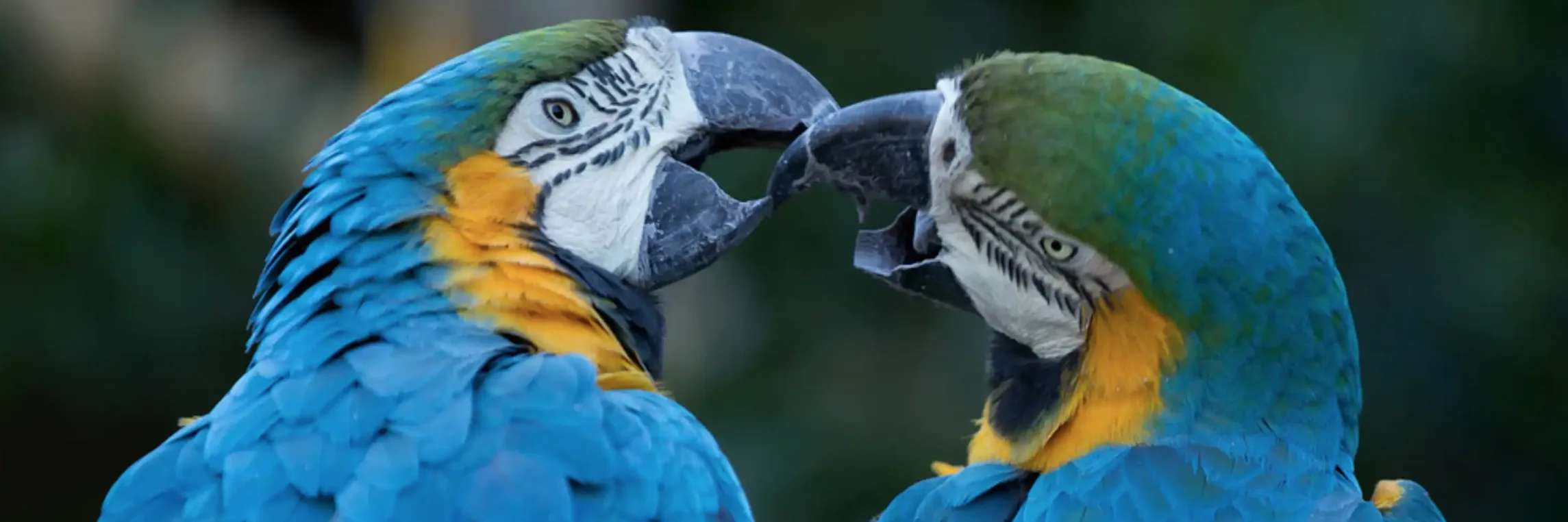
Unprecedented global demand for exotic wildlife products results in indescribable suffering for animals caught in the trade, including the demise of endangered species. An illegal multibillion-dollar industry, wildlife trafficking benefits criminal networks and corrupt governments alike—all at the expense of innocent animals. It must end. And you can help.
The Battle is Challenging
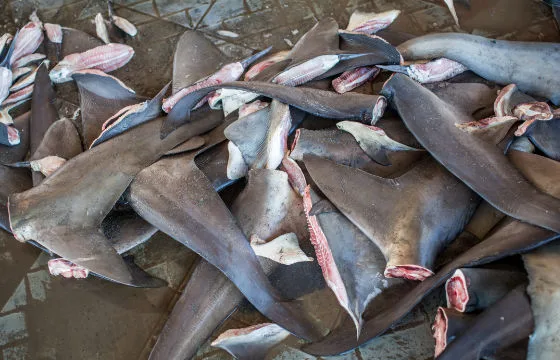
What drives the trade?
- Bushmeat procured from poached mammals and reptiles
- Medicines derived from traditional practices
- Status items and clothing made from endangered species
- Exotic pet ownership and/or exploitation for fee-based selfies
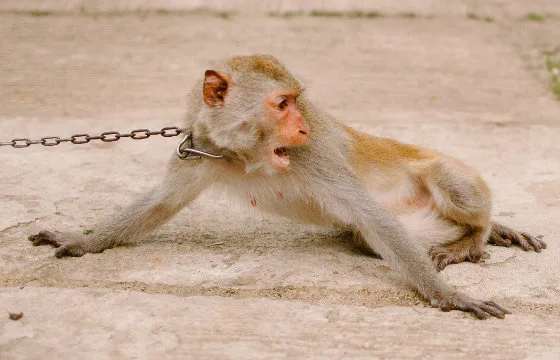
What's the fallout?
- Animal suffering and death
- Extinction of species and ecosystem impact
- Relocated species may impact the well being of local wildlife
- Incidental entrapment and death of nontargeted species
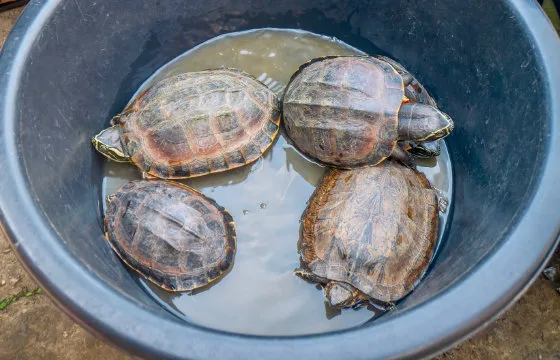
How are people impacted?
- Continued advancement in welfare-focused animal habitat design to include the other top priorities, such as an expanded savanna exhibit for giraffe and sanctuaries for tigers, primates, and other species.
Many brave men and women work hard to stop poaching by patrolling areas and removing snares. These rangers are working tirelessly, even during the COVID-19 pandemic, to ensure the safety of the animals they are protecting. The work is life threatening—in the last ten years alone, more than 1,000 rangers have been killed while protecting animals from trade.
The Fight is Underway
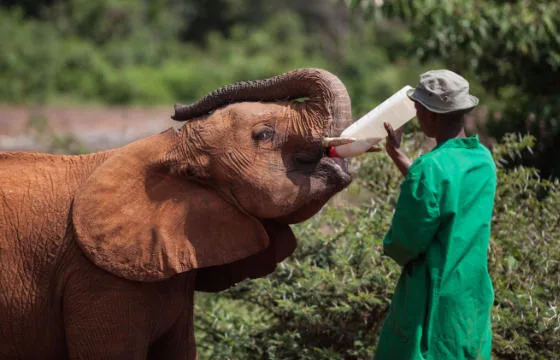
Reduce consumption
Conversationists are curtailing demand by informing consumers about the impact of their choices, offering sustainable alternatives, and changing cultural views and public behaviors.

Close the supply chain
- We conduct eco trips that bring hands, funds, and supplies to our global conservation partners in the field.
- Zoo staff, docents, volunteers, Teen Wild Guides, and programs educate the community...
- We conduct eco trips that bring hands, funds, and supplies to our global conservation partners in the field.
- Zoo staff, docents, volunteers, Teen Wild Guides, and programs educate the community about conservation issues and opportunities.
- We partner with the Association of Zoos and Aquariums, the Wildlife Trade Alliance, and AZA-accredited facilities to combat human and animal health risks exacerbated by illegal wildlife trade.

Rehabilitate and release
Animals rescued from illegal trade need rehabilitation before they can be returned to the wild. Those that have become domesticated need long-term care and forever homes.
From conservation fund raising—through zoo ticket sales, membership fees, and events—to rescued animal rehabilitation and care, Oakland Zoo is dedicated to wildlife protection around the world. In April 2021, we opened The Illegal Wildlife Trade Center, an interactive exhibit designed to educate the public, and garner support for the organizations who fight every day to end this atrocious practice.
See How Oakland Zoo is Taking Action
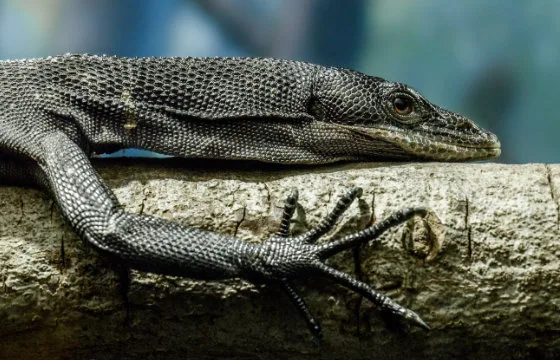
Support conservation projects
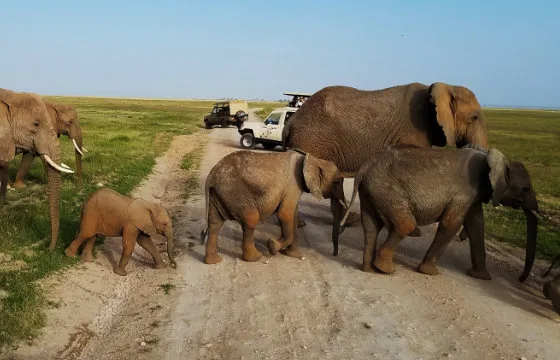
Engage the community
- We conduct eco trips that bring hands, funds, and supplies to our global conservation partners in the field.
- Zoo staff, docents, volunteers, Teen Wild Guides, and programs educate the community...
- We conduct eco trips that bring hands, funds, and supplies to our global conservation partners in the field.
- Zoo staff, docents, volunteers, Teen Wild Guides, and programs educate the community about conservation issues and opportunities.
- We partner with the Association of Zoos and Aquariums, the Wildlife Trade Alliance, and AZA-accredited facilities to combat human and animal health risks exacerbated by illegal wildlife trade.

Provide rehabilitation and care
- When wildlife is confiscated at local airports, seaports, and borders, law enforcement calls Oakland Zoo to care for it.
- Originally victims of the illegal pet trade industry, our Fennec foxes,...
- When wildlife is confiscated at local airports, seaports, and borders, law enforcement calls Oakland Zoo to care for it.
- Originally victims of the illegal pet trade industry, our Fennec foxes, Aldabra tortoises, and Amazon macaws were rehabilitated at Oakland Zoo.
- When we receive animals for rehabilitation, that we cannot accommodate longterm, we work with other accredited facilities to find forever homes.