
ZooSchool
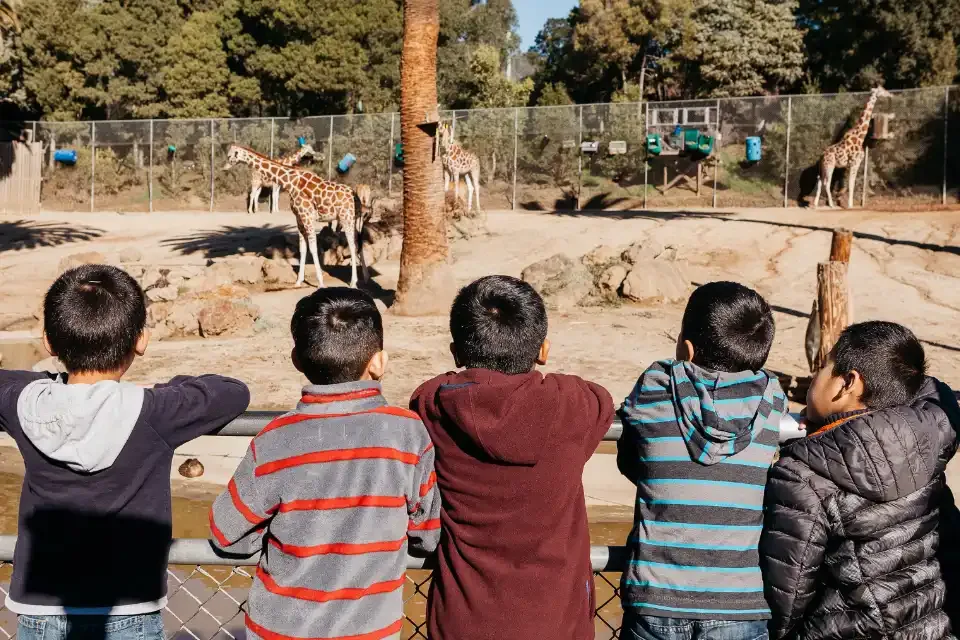
It's time for ZooSchool
Bring your class to the Zoo and experience a day full of adventure! ZooSchool includes a classroom lesson followed by a guided tour of the Zoo. Outdoor lunch space is reserved for participants. When ZooSchool is over, classes are welcome to explore the Zoo.
OUSD Title 1 schools are eligible for Zoo-to-Community support, providing funds and space are available.
*NOTE: ZooSchool slots are SOLD OUT. We will be accepting new reservations starting in August.
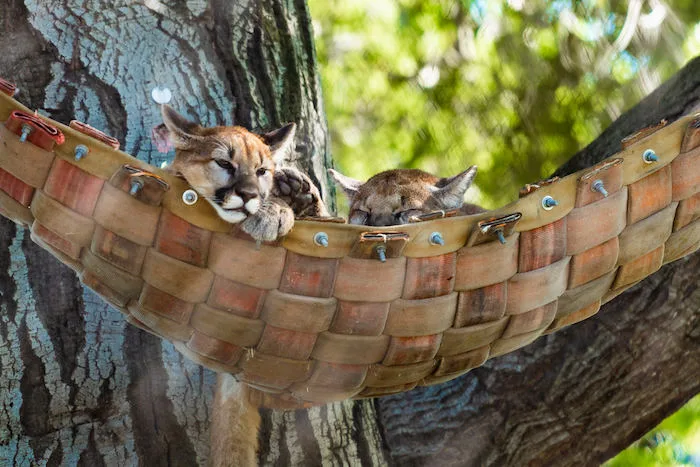
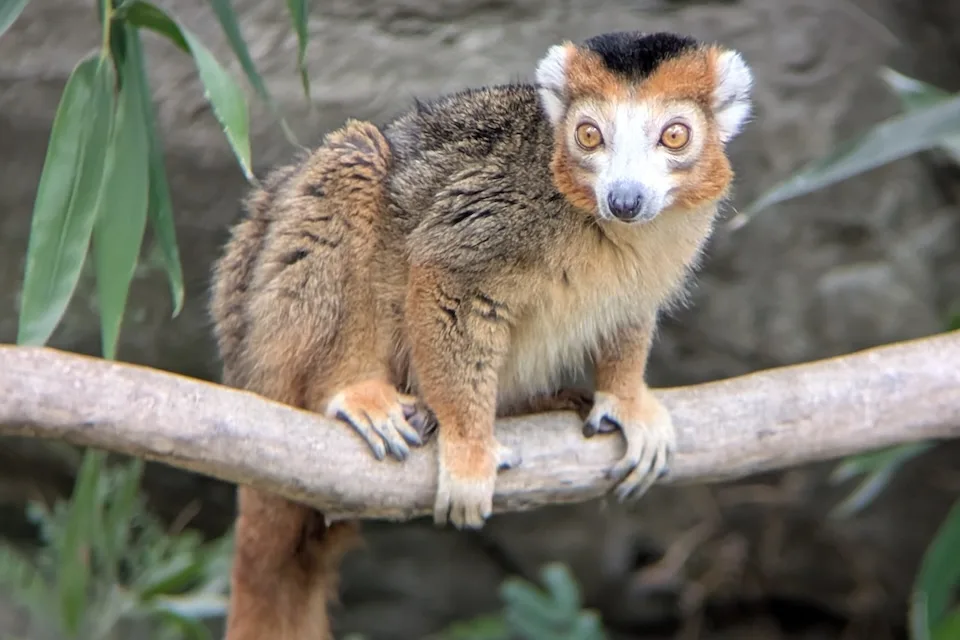
Happy, Healthy Animals
The five things required of all living organisms to survive include water, air, shelter, food, and space—but is that enough to keep animals happy? Just like humans, playing and having something fun or interesting to do can be just as important to an animal’s health as getting food and water. Through observation, students will discover what animals need to survive and that some animals need more to lead an enriching life!
**SPECIAL NOTE:
The Kindergarten program is a 30-minute classroom program only and DOES NOT INCLUDE a guided exploration of the zoo.
Standards
K-LS1.C: Animals have many needs in order to survive, including air, water, and food
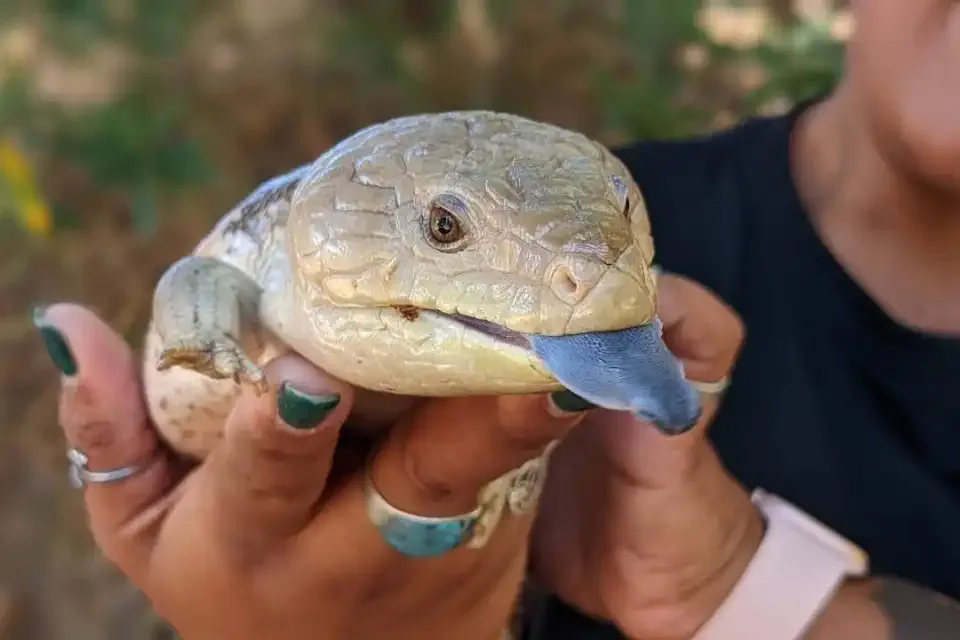
Ooh, That Smells So Good on my Tongue
Can you hear with your feet or smell with your mouth? It may sound strange, but animals use their bodies in unique ways to survive. Together we’ll explore how they use their senses in the wild!
Standards
LS1.A: Structure and Function
LS1.D: Information Processing
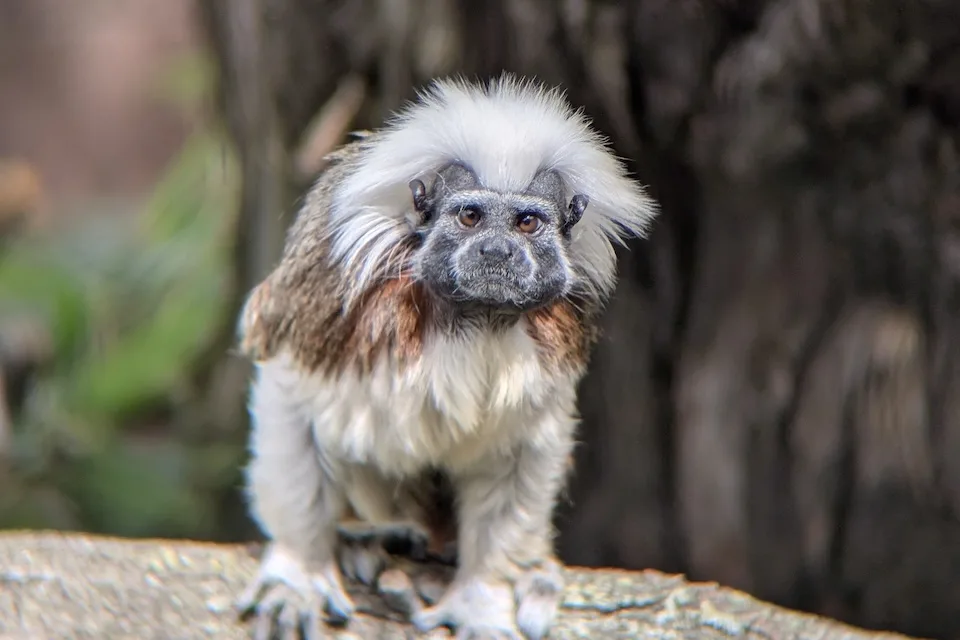
Hitching a Ride, Seeds on the Move
How do plants get from one place to another if they can’t move? Plants have five primary mechanisms for moving seeds. In this class, students will learn the ways that seeds are dispersed, and plants are pollinated, specifically focusing on animals' roles in pollination and helping seeds move along to grow in other places.
Standards
2-LS2-2: Ecosystems: Interactions, Energy, and Dynamics
2-LS2.A: Interdependent Relationships in Ecosystems
2-LS4-1: Biological Evolution: Unity and Diversity
ELA G2:M4: Providing for Pollinators
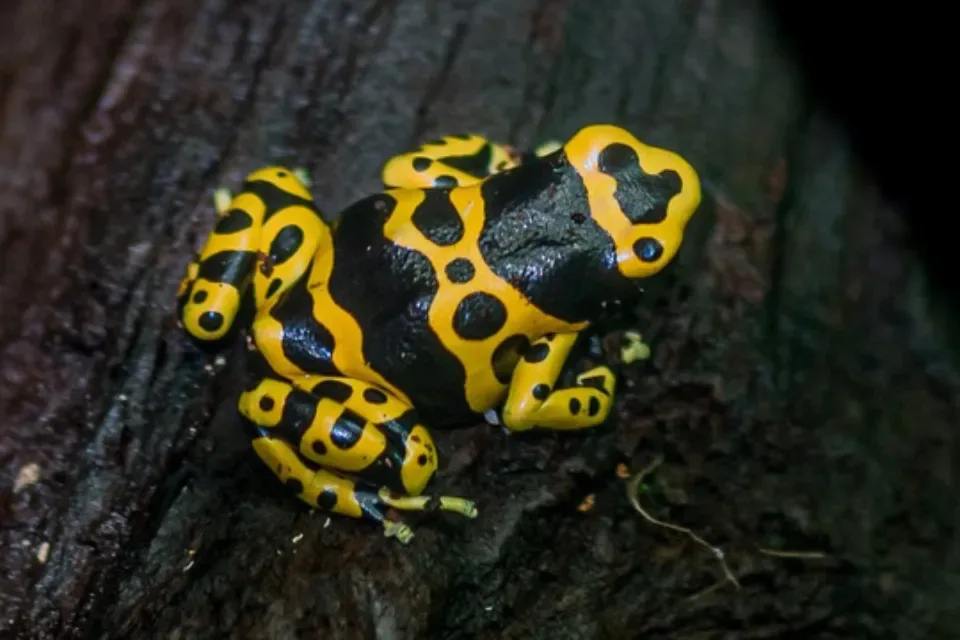
Habitat is Where the Home Is
Why are polar bears white? Why does a camel have a hump? What would happen if the bear moved to the desert and the camel transferred to the tundra? Join us as we explore the world of animal adaptations and how each habitat affects the animals that live there—and vice versa!
Standards
3-LS2.C: Ecosystems: Interactions, Energy, and Dynamics
3-LS4.C: Adaptation
3-LS4.D: Biodiversity and Humans
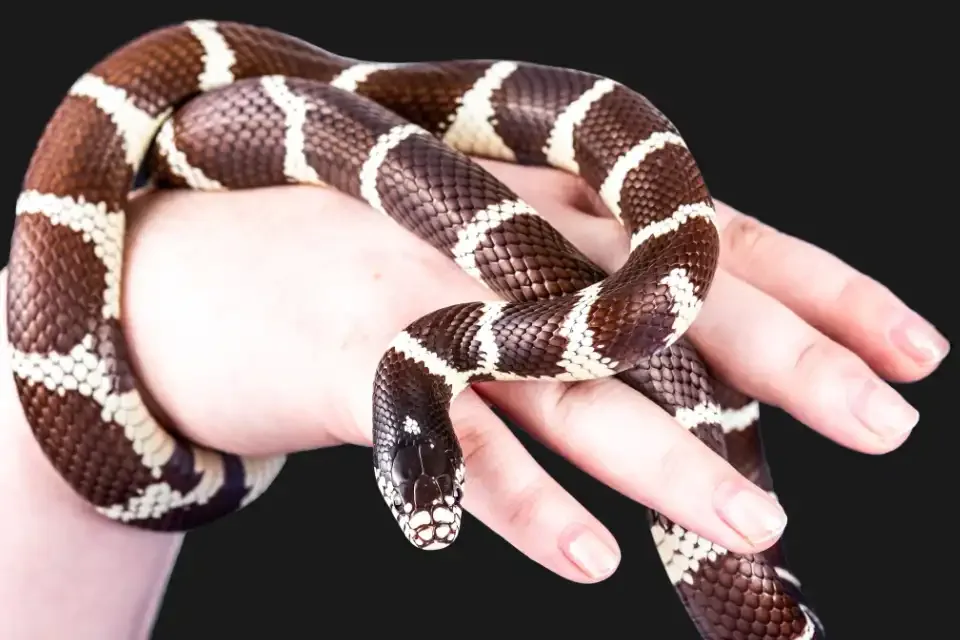
Mechanisms of Survival
What is an animal defense mechanism? What is a predator? What is prey? What defenses do animals take to protect themselves? Students will discover, talk about, and write about different defense mechanisms that animals use to survive.
Standards
ELA G4:M2:U1: Animal Defense Mechanisms
4-LS1-1: From Molecules to Organisms: Structures and Processes
4-LS1.A: Structure and Function

Oh Deer!
There are four basic resources for any animal species’ survival: food, water, shelter, and ample space. As the population grows and the habitat is used more, sometimes resources decline to a point at which the population can no longer be supported. Students will discover the importance and fragility of ecosystems by thinking critically and reimagining the world with the loss of animal species and the importance of resource availability.
Standards
4-LS1-1, 4-LS1-2: From Molecules to Organisms: Structures and Processes
4-ESS3-2: Earth and Human Activity
MS-LS4: Biological Evolution: Unity and Diversity
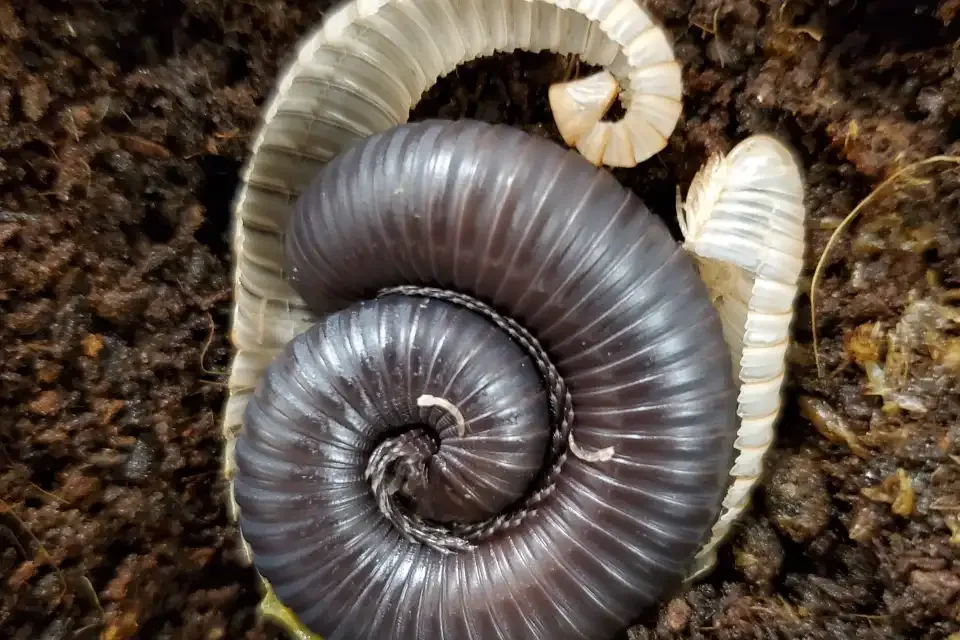
Nature's balancing act
Herbivores eat plants, the carnivores eat them, and the decomposers always win in the end. All organisms "work" together to provide a healthy ecosystem—that's interdependence! So what happens when one is taken out of the equation? What happens when one is added to the balance? Students will discover the importance and fragility of ecosystems by thinking critically and reimagining the world with the loss of important keystone species and the addition of invasives.
Standards
5-LS2.A: Interdependent Relationships in Ecosystems
5-ESS3-1: Earth and Human Activity
MS-ESS3-4: Human Impacts on Earth Systems
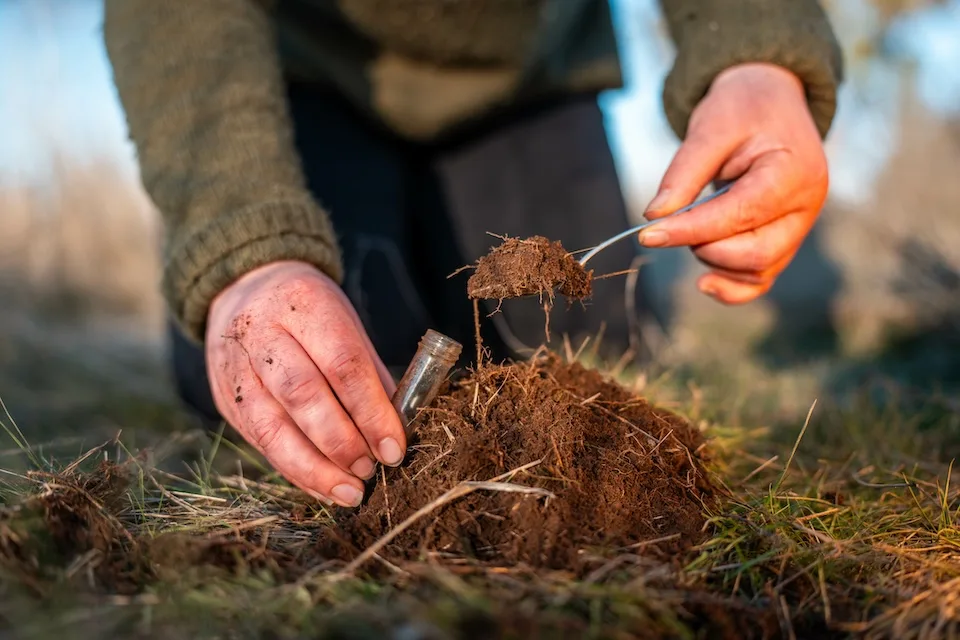
Stewarding nature: people, plants, and purpose
Explore the complex relationships that help keep ecosystems thriving! In this two-session program, students step into the role of land stewards to investigate how environmental management impacts the balance between living organisms and their physical surroundings. Through interactive activities and case studies, students will discover how land has been cared for in the past—particularly by Indigenous communities—and how these practices inform today’s park management strategies. This program encourages students to think critically about who historically managed California’s parklands, who does so today, and how informed stewardship supports resilient ecosystems. Students will leave with a deeper understanding of their role in protecting the places we all share.
Standards
EL Education, ELA 2019 G6:M4 - Remarkable Accomplishments: Celebrating accomplishments of folks who are overlooked in history.
NGSS MS-LS2.A, MS-LS2-1 - Interdependent Relationships in Ecosystems: Organisms, and populations of organisms, are dependent on their environmental interactions both with other living things and with nonliving factors.
NGSS MS-LS2.C, MS-LS2-4 - Ecosystem Dynamics, Functioning, and Resilience: Ecosystems are dynamic in nature; their characteristics can vary over time. Disruptions to any physical or biological component of an ecosystem can lead to shifts in all its populations.
**SPECIAL NOTE The Middle School program is a two-session program (50 minutes each for a total of 100 minutes) at your school site. This program does not include a zoo visit.
Please submit your ZooSchool Request Form at least 4–6 weeks prior to the date you would like to reserve. Unfortunately, we cannot accommodate requests for bookings less than two weeks prior to the event.
A copy of your PO or payment in full is due at least 30 days in advance.
Cancellations made more than 30 days prior to the scheduled program date will receive a full refund. We cannot give any refunds for cancellations made less than 30 days in advance.
Contact
Eunice Hui
Operations Coordinator
Oakland Zoo Learning and Engagement

Frequently Asked Questions
My school is in OUSD and receives Title 1 funds. Are we eligible for Zoo-to-Community support?
Yes. Schools in the Oakland Unified School District (OUSD)—that receive Title 1 funds—qualify for our Zoo-to-Community program. Designed to make Oakland Zoo and select Oakland Zoo School Programs more accessible, Zoo-to-Community provides Title 1 schools with free access to Oakland Zoo, providing program funds and space are available. Transportation costs may also be covered by request if funds are available.
When you fill out your reservation request form, please indicate that you're interested in receiving Zoo-to-Community support. Our staff will contact you to confirm details. If Zoo-to-Community funds are available and you'd like to make a reservation, a non-refundable deposit of $100 is required.
What kind of payment is accepted?
We can accept purchase orders, check, and credit card payments 30-days prior to the reservation date.
Can we make changes to our reservation?
One change to your reservation date can be made (depending on availability) as long as it is requested at least 30 days prior to your originally scheduled program.
Should you need to make a change, we will gladly work with you to reschedule a date for later in the same school year, pending availability, and any previous payments will be applied to the new reservation.
May we take photographs or video?
Please feel free to photograph or videotape our presentation.
What happens if it is storming?
Wildlife Assembly programs take place rain or shine. The program will be held in the Zimmer Auditorium in the event of rain or cool temperatures. Please make sure your students are dressed appropriately. Programs will be rescheduled when the zoo is closed during inclement weather conditions for the safety of guests and exhibited animals.
Are there late pick-up fees?
If you are running late to pick up your camper, please call the ZooCamp cell phone number provided to you as soon as you can. ZooCamp provides a 30-minute pick-up window from 3:00-3:30 for regular pick-ups. Campers who have not been picked up by 3:30 will be brought to after care. After care is a separate add-on that ends promptly at 5:30. ZooCamp reserves the right to charge a fee of $1/minute for late pick-ups.
Does a Zoo Member still have to pay for the program?
Zoo Membership does not apply to Wildlife Assembly programs; as this program is separate from regular Zoo Admission.
We are a Title 1 school. Can we request Zoo-to-Community support?
Due to our commitment to the Oakland community, requests coming from outside of the Oakland Unified School District will not be considered.
What are the chaperone requirements?
One adult required for every 6 students under the age of 18.
Maximum number of chaperones per class (teachers + parent chaperones) is 8.
How do we pay for additional adults or students?
On the day of your program, you may pay for any additional students or adults (to the group maximum) at the Education Office. Payment must be made before the students or adults join the program. We can only accept credit cards.
Please note that any adults above the maximums may enjoy the Zoo during the program but will have to pay the standard Zoo admission at the Main entrance. Teachers are responsible for making arrangements for these parents.
What if a chaperone brings a sibling?
We are sorry, but absolutely no siblings (including children in strollers) are allowed to attend your program. Parents with siblings may enjoy the Zoo during the program but will have to pay the standard Zoo admission for themselves and the siblings. Teachers are responsible for making arrangements for these parents.
What if we have fewer participants on the day of the program than we paid for?
Because we have planned and staffed your program for the number of participants you originally requested, we are unable to provide refunds if you have fewer participants on the day of your program.