
The Palm Oil Crisis
About Palm Oil
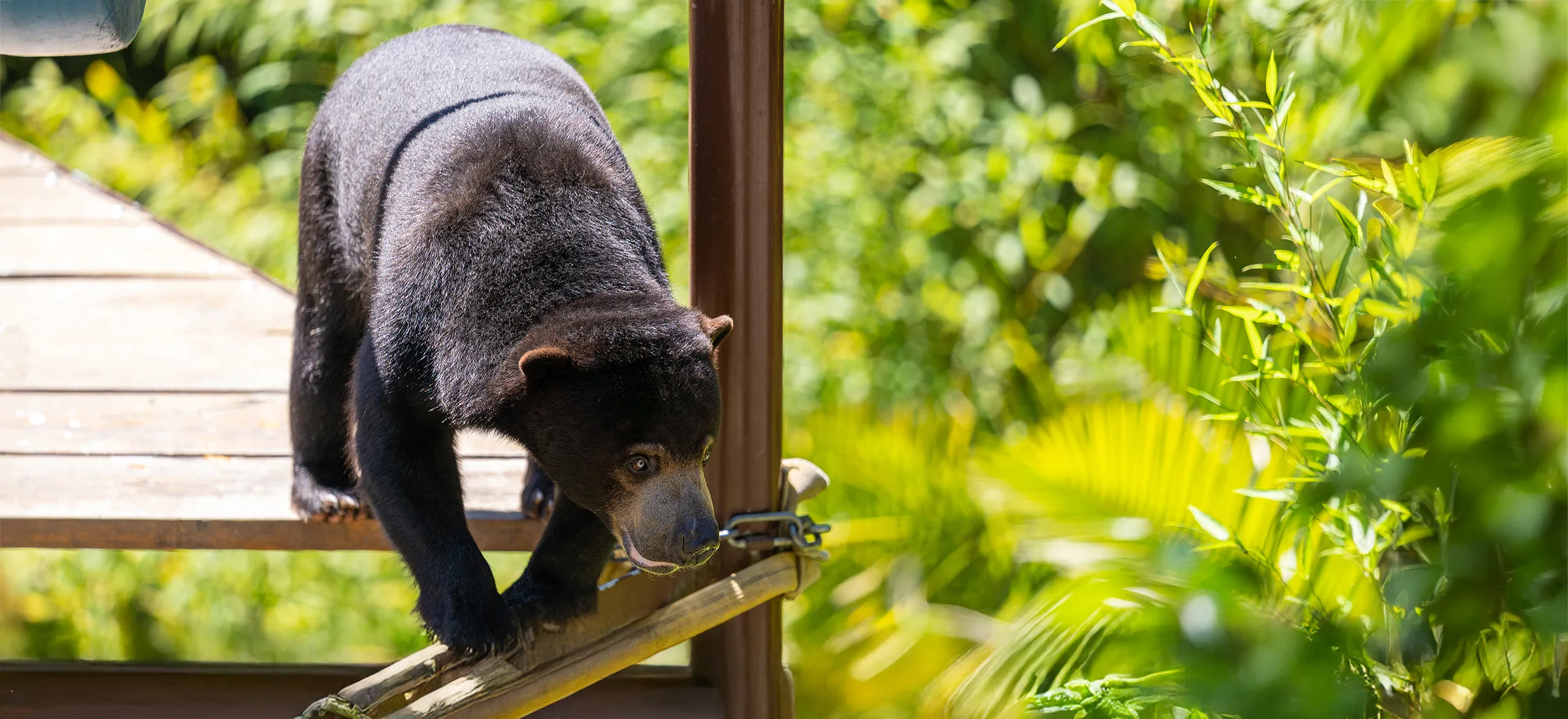
Palm oil grows in rainforests with warm temperatures throughout the equatorial regions of our planet. Indonesia and Malaysia are known for their large palm oil growing plantations, while Africa and Latin American countries have become more prominent growers in the last 30 years. Tragically, the methods of growing palm oil often involve deforestation and burning techniques to clear the land. Meaning that some of the most biodiverse regions in the world are threatened and driving species like orangutans, Sumatran rhinos, and sun bears towards extinction. As consumers, we can stop this destruction by choosing products with sustainable palm oil that is deforestation-free or choosing alternative ingredients in our products.
Palm oil is in just about every type of consumer product and is the most widely produced edible oil. You can find palm oil in 50% of all packaged goods sold in the U.S. and European grocery stores. Palm oil and its derivatives are used in a remarkable array of products, such as soaps, hair products, lipstick, ice cream, cookies, crackers, chocolate products, cereals, breakfast bars, cake mixes, doughnuts, potato chips, instant noodles, frozen sweets and meals, baby formula, margarine, canned soups and much more.
The Conservation Issue
Rainforest/Habitat Destruction
The rainforests of Borneo and Sumatra are the last stand for one of humankind’s closest relatives, the orangutan. Orangutans face an extreme risk of extinction within our lifetime, as about 2,500 orangutans die annually due to poaching, fire, and conflicts with loggers and plantation owners. Borneo Orangutans’ populations have fallen to 104,700 (Endangered) and the Sumatran Orangutans to 7,500 (Critically Endangered). The Sumatran tiger, Sumatran rhinoceros, Borneo Pygmy Elephant, Sun Bear, gibbon, and other wildlife are also urgently threatened by palm oil expansion.
Local native people often lose their land and livelihoods to large palm-oil companies, as well, and profits from non-sustainably produced palm oil does not trickle down to local people. Many industrial palm oil plantations also rely on the use of forced labor of both adults and children.
The Threat to Wildlife and People
The rainforests of Borneo and Sumatra are the last stand for one of humankind’s closest relatives, the orangutan. Orangutans face an extreme risk of extinction within our lifetime. Between 2004-08, the Sumatran orangutan population fell by 14% to 6,600, largely due to loss of habitat for palm oil expansion. The Sumatran tiger, Sumatran rhinoceros, Asian Elephant, Sun Bear, gibbons and other wildlife are also urgently threatened by palm oil expansion.
Impacts on Local People Native people often lose their land and livelihoods to large palm-oil companies. Most of the money from non-sustainably produced palm oil does not trickle down to local people. Many industrial palm oil plantations also rely on the use of forced and child labor. In Malaysia and Indonesia, child labor has been documented and allegations of modern-day slavery on plantations across Malaysia are common.
Helpful Hint:
Palm oil might be listed under 400 different names, with the most common being “vegetable oil.” Use the free Cheyenne Mountain Zoo app to make purchasing choices easy.
Oakland Zoo Takes Action
Outreach and Education
Through our hosted eco-trips to Borneo and by using our public platform available to us as Oakland Zoo, we help get the word out about the plight of wildlife impacted by the unregulated palm oil practices and educate people on how to avoid supporting unsustainable palm oil in their everyday lives.
On-Site Help for Wildlife Affected by the Palm Oil Crisis
Oakland Zoo partners with non-profit conservation organizations in Southeast Asia, such as the Bornean Sun Bear Conservation Centre that cares for and rehabilitates Sun Bears displaced by the deforestation of unsustainable palm oil plantations.
Expertise in the Field
Oakland Zoo’s staff has traveled to Malaysia to provide hands-on assistance in moving and providing medical care to the sun Bears currently affected by the palm oil crisis at the Bornean Sun Bear Conservation Centre. Oakland Zoo’s Conservation Expeditions to Borneo include four days of skilled volunteering in whatever capacity is needed by the BSBCC at that time.
You Can Take Action Too!
- Use your purchasing power. Choose items that do not use palm oil or that use sustainable palm oil only.
- Support companies that have joined the Roundtable on Sustainable Palm Oil (RSPO) by downloading the Palm Oil Shopping Guide for iPhones and Android smartphones.
- Write to your favorite restaurants and companies. Let them know that you care about orangutans, sun bears, gibbons, and their rainforest home. And that your concern reflects in products you are willing to buy. Ask them to join the RSPO if they haven’t done so already. Visit Cheyenne Mountain Zoo’s Palm Oil Resource Kit for example letters you can use.
- See wild orangutans, sun bears, gibbons. Your tourist dollars make the rainforests worth more standing than cut down for plantations. Check out Hutan Project and the Bornean Sun Bear Conservation Centre (link to our page about this)
- Write to Indonesian and Malaysian government officials. Ask them to preserve their precious natural resources. They are the only countries in the world that have wild orangutans!
- Get involved in organizations that are purchasing land for conservation in affected areas.