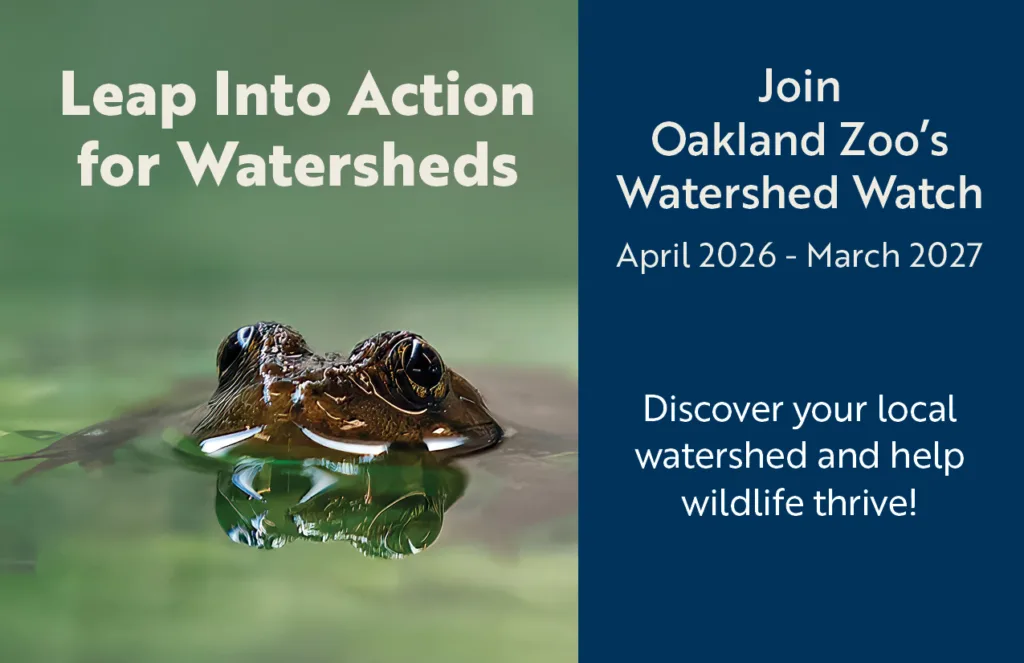
Leap into Action for Watersheds
Water is part of our daily life, connecting forests, grasslands and cities to waterways, creating vital ecosystems like wetlands and riparian habitats. As water moves through developed areas, it can pick up pollutants and trash, spreading them through runoff to oceans and the water cycle, impacting our community and others. Fortunately, there are collective actions we can take to protect and restore these habitats.
Everyone Lives in a Watershed
A watershed is land that collects water from rain and springs, channels it through creeks and rivers to lakes and oceans. As water moves through tributaries, it carries soil, nutrients, and organisms, creating habitats for migrating birds, wildlife corridors through cities, and breeding grounds for amphibians and fish. Healthy watersheds recharge groundwater, stabilize soil, filter pollutants, reduce flood risks, and create healthy waterways for wildlife and people.
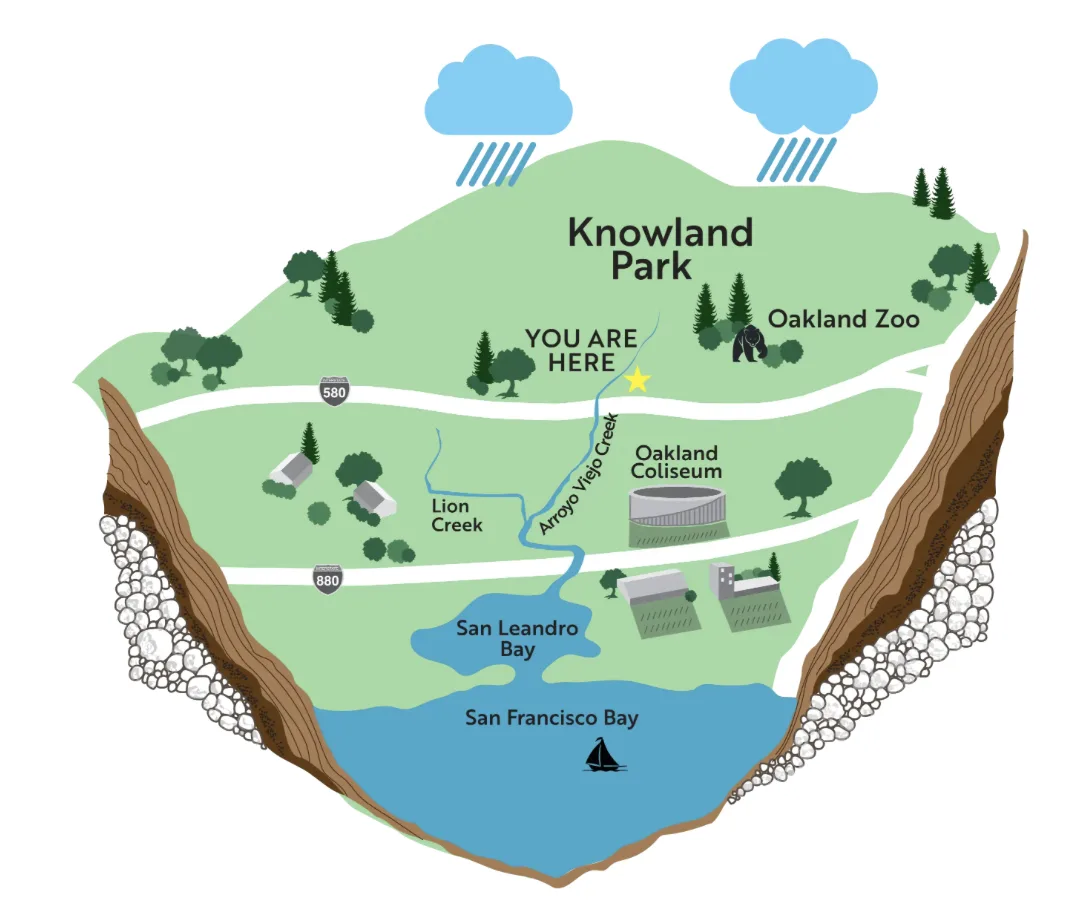
The City of Oakland has 15 creeks that flow directly to the San Francisco Bay, many hidden beneath roads and buildings in culverts and underground channels. The Arroyo Viejo Creek begins in the Oakland Hills, moving through Knowland Park and Oakland Zoo, along roadways, through Arroyo Viejo Park, past schools, homes, and businesses, flows past the Coliseum, out into San Leandro Bay, and eventually the Pacific Ocean. Along its journey, countless species rely on the creek for food, water, and shelter.
Oakland Zoo is a part of the Arroyo Viejo watershed and stewards for the land the creek flows through. Find out what watershed you are a part of!
Problem
Our actions in our homes and communities can create pollution and trash that can end up in our watersheds, compromise the water, wildlife, health of our local environment, and the greater water system.
- Trash and litter along the roadside and in gutters end up in our waterways.
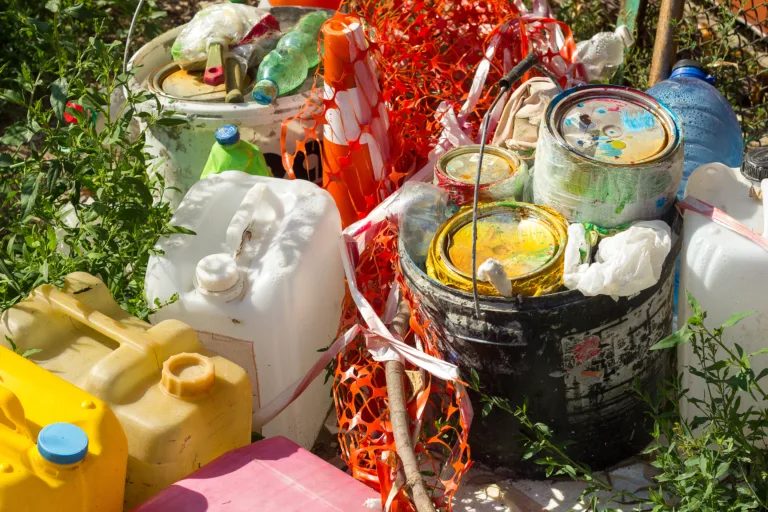
- Improper disposal of chemical hazards (gasoline, paint, oil, household toxins) ends up in our waterways.
- Toxins (microplastics, heavy metals, pesticides, and fertilizers) that enter the watershed will persist throughout the water cycle, coming down later in the rain.
- Removing grass and dirt around homes prevents water from soaking into the ground and can lead to flooding.
- Without wetlands (marshes, estuaries, mangrove forests, coastlines) cities become vulnerable to king tides and sea level rise.
Solutions
To address the challenges facing Bay Area watersheds, community groups, public agencies, NGOs, and dedicated residents are restoring local watershed habitats to their natural state. As this hopeful conservation work progresses, wildlife is returning, and these ecosystems are beginning to flourish once again.
What Does it Mean to Restore a Watershed?
Watershed restoration involves stabilizing stream banks to prevent erosion, daylighting streams, removing dams, and improving habitats with native vegetation. Restoration also includes long-term solutions that prevent chemical pollution and stop trash from being dumped into streams or storm drains. Through consistent efforts over time, watersheds can return to a more natural state that can thrive with minimal human intervention.
Bay Area Watershed Restoration Successes
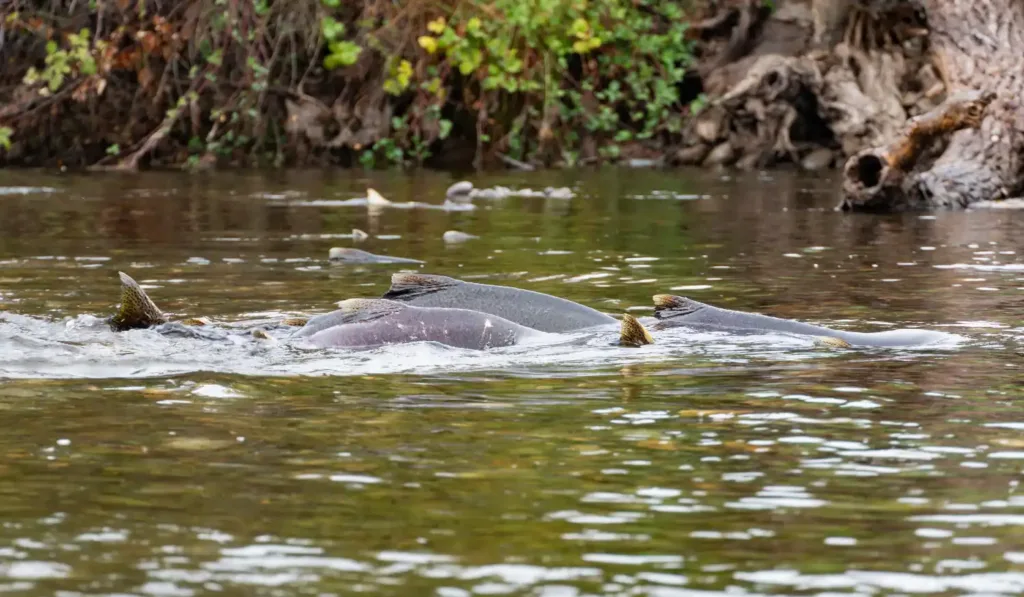
Chinook Salmon in Return to Fremont
After removing 20 miles of barriers, Chinook Salmon returned to Alameda Creek after 70 years, signaling the ecosystem’s recovery.
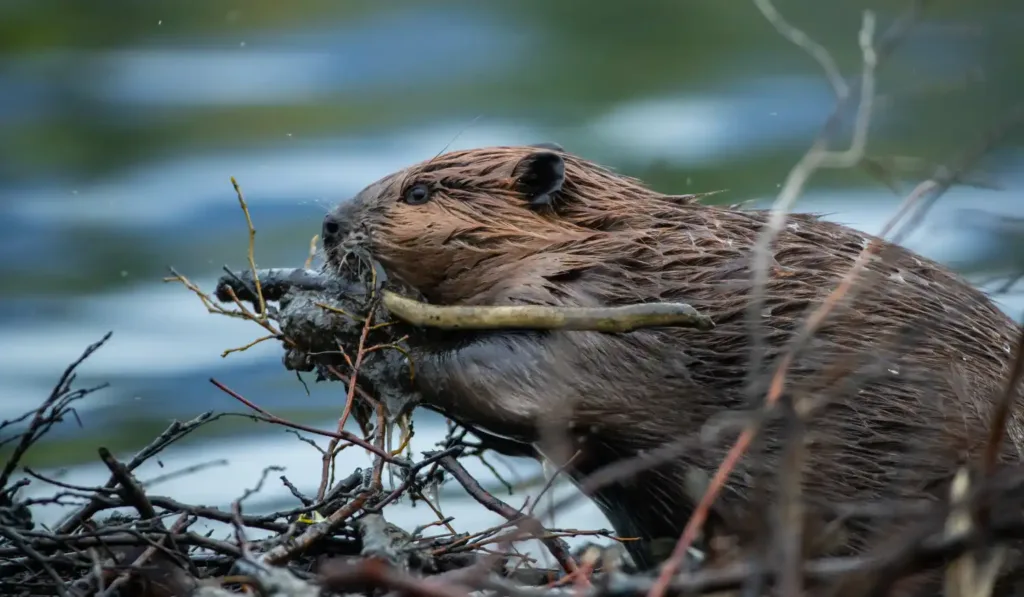
Beavers in Martinez
Despite early concerns about flooding, beavers near cities have restore ecosystems, reduce flood risk, and gain growing community support across the Bay Area.
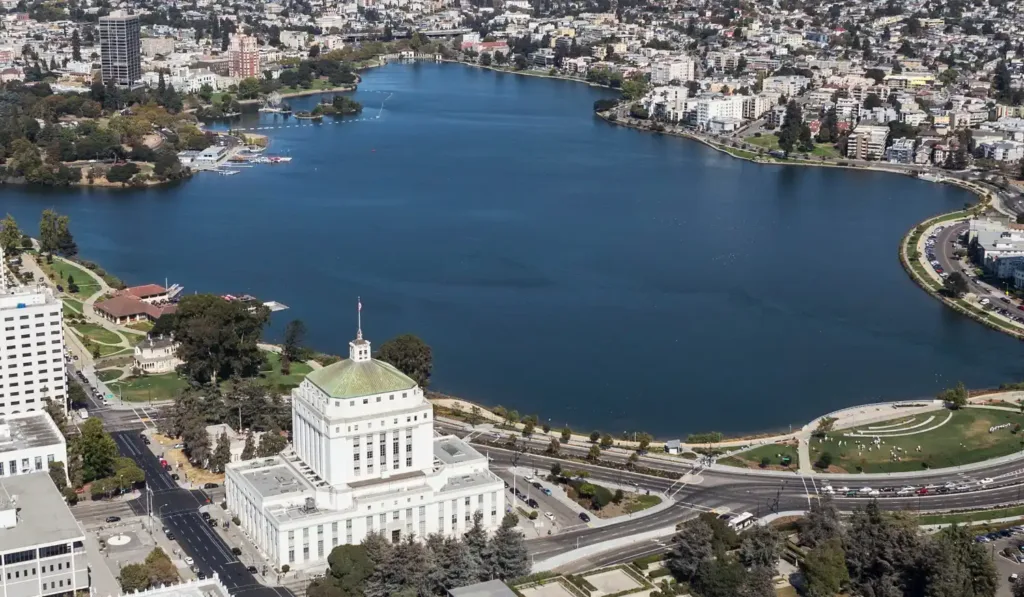
Lake Merritt Advanced Restoration Project
Work t the algae blooming in Lakoe Meritt, enabling bat rays, leopard sharks and other wildlife to safely swim in from the Bay.
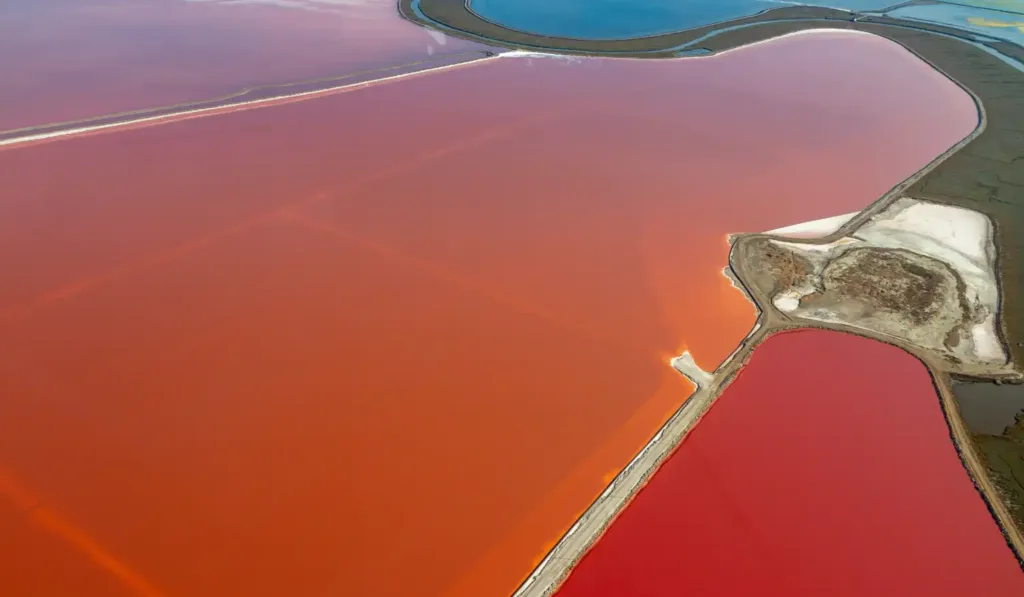
South Bay Salt Pond Protection
Salt ponds are being restored into wetlands, creating flood barriers that protect communities from flooding due to sea-levels rise, king tides and storms.
Taking Action for Watersheds
Humans and Wildlife Benefit!
A healthy watershed ecosystem with abundant wildlife benefits communities by boosting biodiversity, enhancing natural pest control, and improving overall flood resilience.
Protecting Oakland’s watersheds improves public health, supports native wildlife, and builds climate-resilient neighborhoods. Restored creek corridors and native plants ensure vital habitats for our native wildlife, help to maintain healthy waterways, and reduce flood risk in our communities. Larger green infrastructure like rain gardens and bioswales further filters stormwater and keeps urban areas cooler. Watershed restoration is a long-term investment in resilience, biodiversity, and equitable access to healthy green spaces.
Restoring Oakland’s watersheds is ultimately about restoring balance: supporting both the ecosystems that sustain biodiversity and the communities that depend on a healthier, more resilient future.
Join Our Year-long BioBlitz
1. Find a watershed near you or waterway nearby in Oakland.
- 2. Explore the waterway and see what wildlife lives there.
- 3. As you observe them, take a photo and upload it to iNaturalist.
Restoring Oakland’s watersheds is ultimately about restoring balance: supporting both the ecosystems that sustain biodiversity and the communities that depend on a healthier, more resilient future.
You Can Too
Properly dispose of hazardous chemical waste.
Free disposal of household hazardous waste
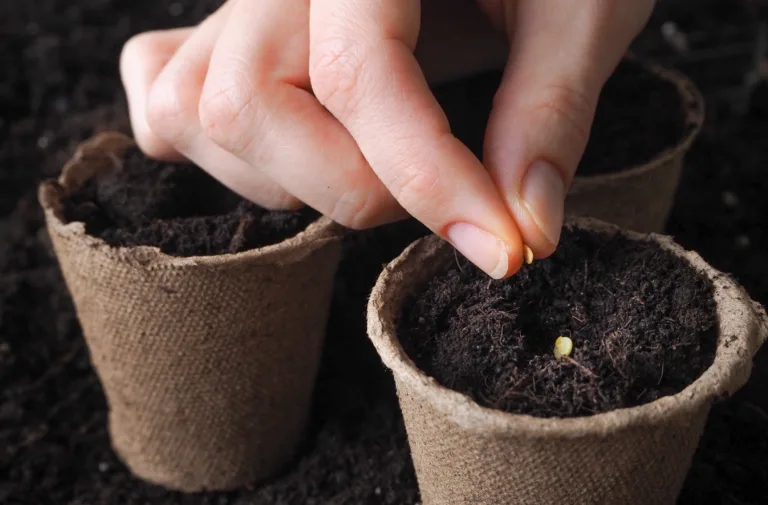
Plant native vegetation.
Plant water-wise native plants, trees and shrubs to stabilize soil, provide habitat for wildlife, and help rainwater filter into the ground.
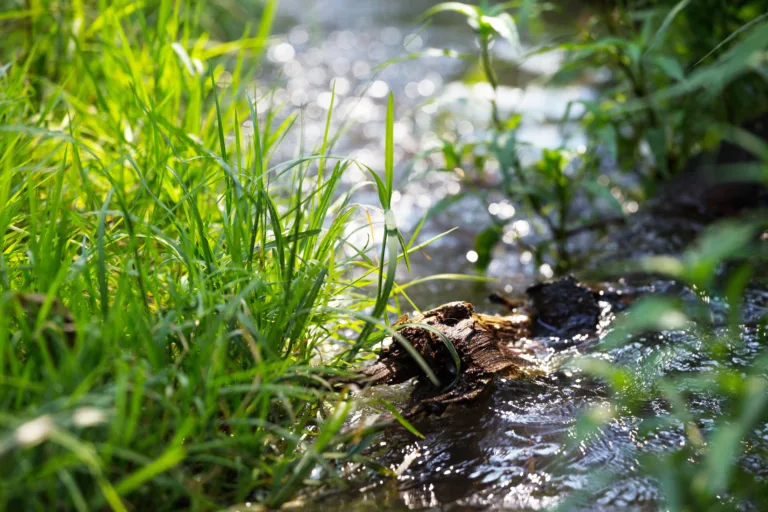
Keep watersheds clean
Sweep in front of your house and driveway, removing trash before it can go down a nearby storm drain. Join a local creek cleanup! Adopt a drain!
Oakland Zoo is Taking Action for Watersheds
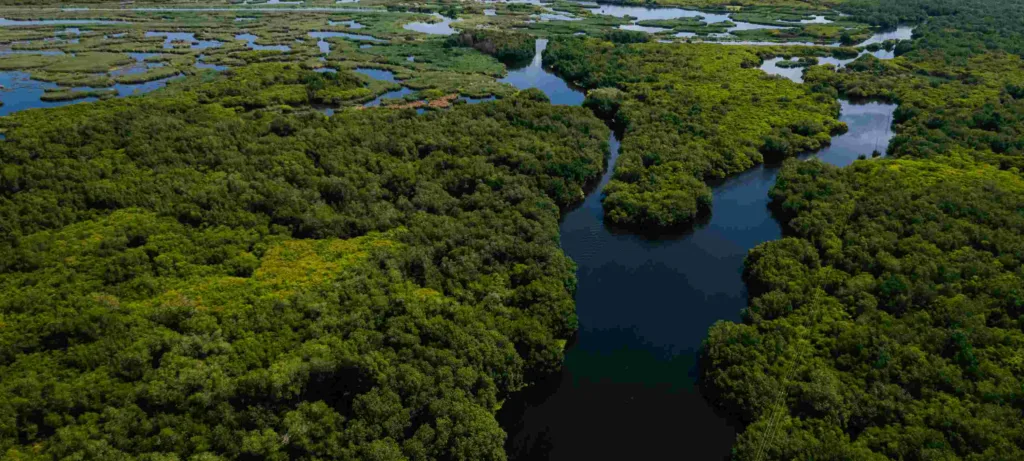
Supporting Mangrove Protection and Regeneration in Guatemala

Rescuing Orphaned Mountain Lions