African Lions
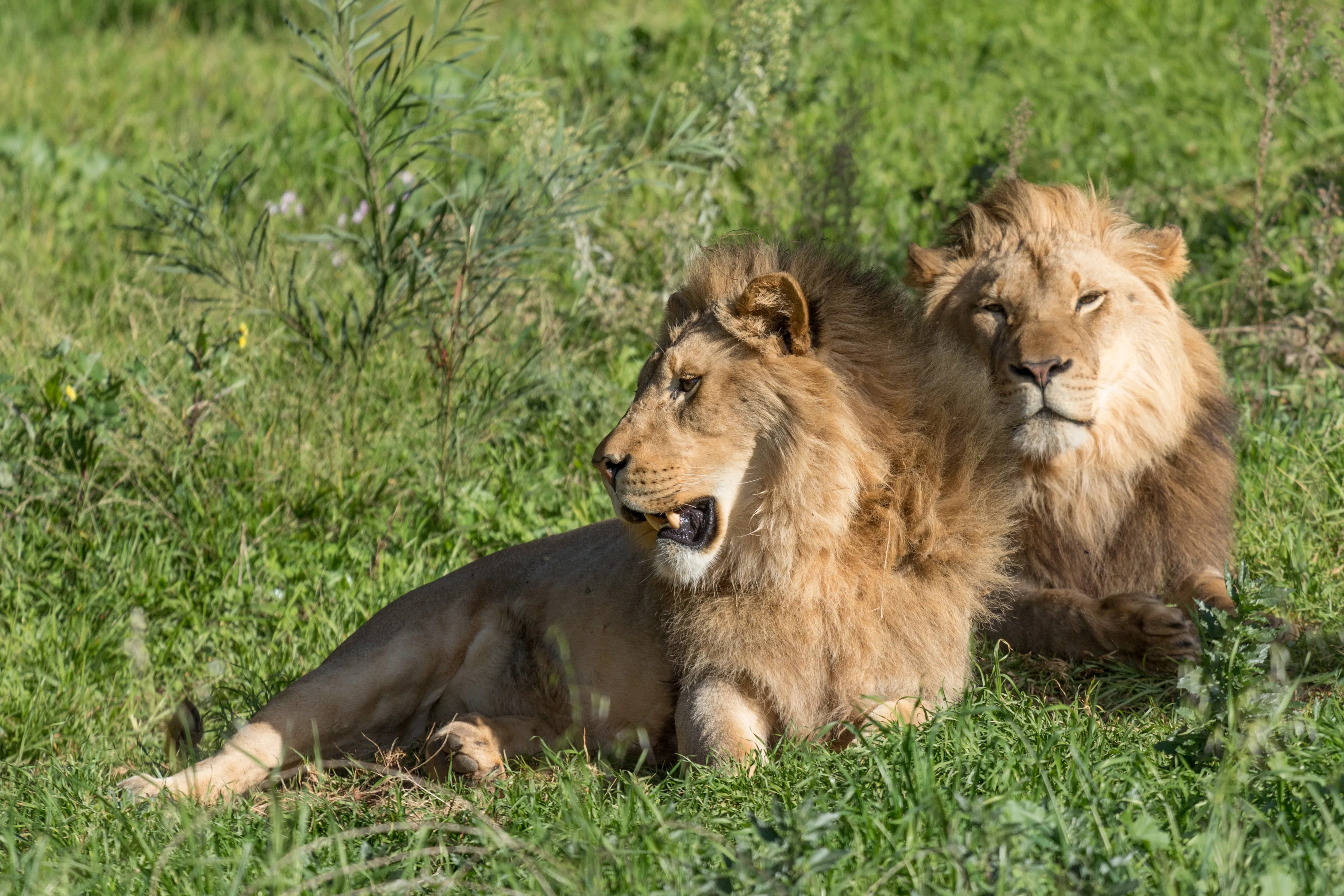
The iconic African lion symbolizes the beauty and majesty of the animal kingdom, but lions are in serious trouble. Worldwide lion population has plummeted by 43% over the last 20 years, and lions now occupy only 8% of their historical range in Africa. This tragic decline is mainly the result of habitat loss due to an increase in human settlers, more agriculture development, and deadly retaliation against lions after they prey upon livestock. Oakland Zoo firmly believes the success of lion conservation hinges on the involvement and leadership of people who live among predators. The long-term survival of African lions depends on programs that allow people and lions to thrive in their shared habitat.
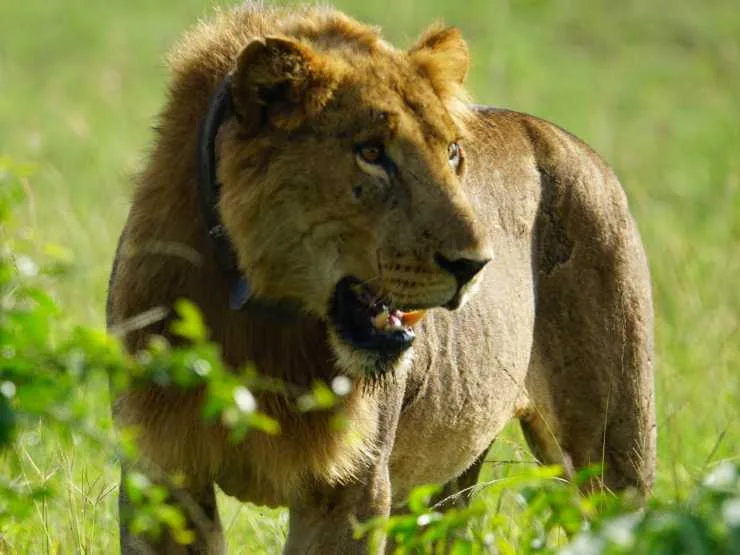
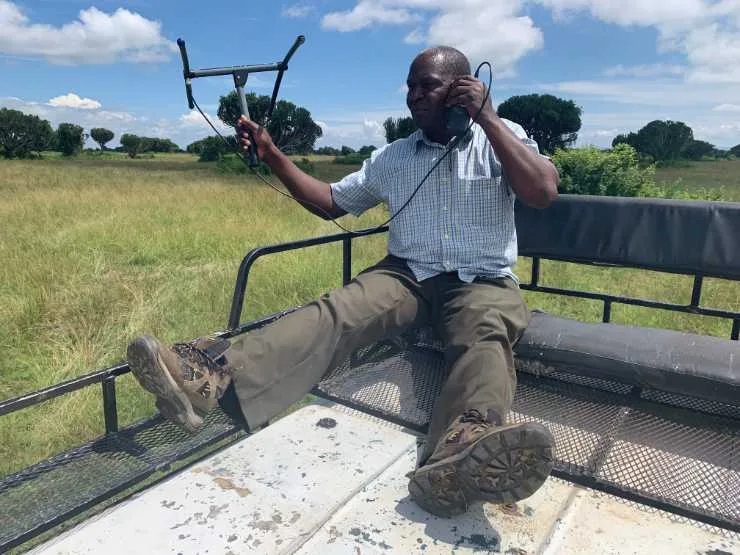
We have provided collars and tracking for over 20 African lions while engaging over 1000 local community members in events and outreach.
Conservation Challenges
Habitat Loss
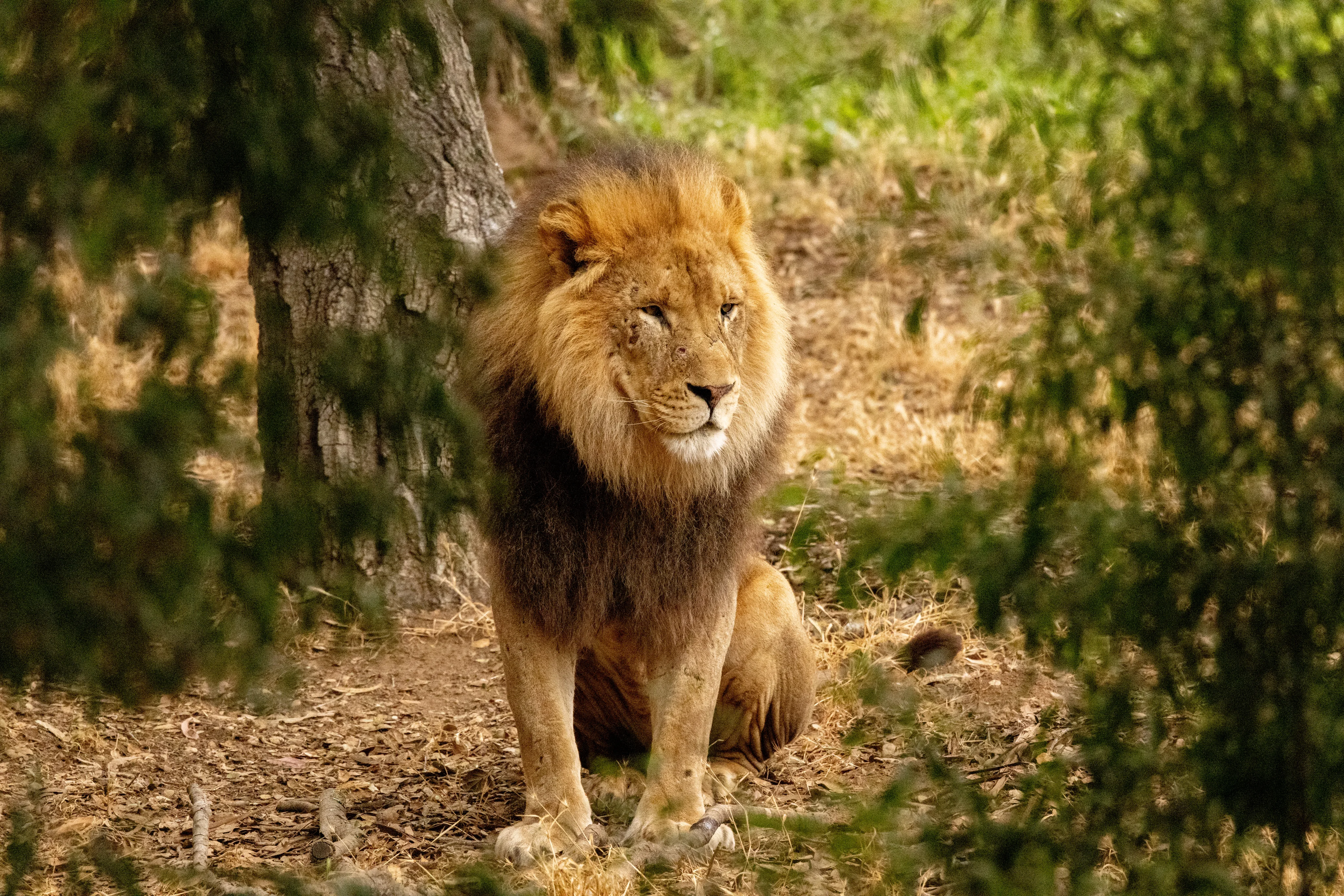
Conflict between wildlife and humans over diminishing resources is a problem throughout the African continent. Lion prides require a large home range, which means they live and travel across a variety of areas -- not only protected land like national parks and reserves, but also public land and private ranches. In some parks like Queen Elizabeth Park in Uganda, there are villages within a protected park, leading to many challenges around coexistence. An increasing human population and expanding ranches have forced lions to compete with local communities and their animals for space and food. Scarcer wild plant options also have a detrimental effect, leading lions to prey on livestock instead of local plants to survive.
Human-Wildlife Conflict
In African regions where humans and lions live close together, lions are highly vulnerable when they come into regular contact with people. Conflict occurs when lions attack livestock, because families rely upon those animals for food and income. People who have lost livestock often retaliate by shooting, poisoning, or spearing lions, or setting snares to trap or injure lions and other large carnivores that prey on their livestock.
Oakland Zoo is Taking Action for the African Lion
Project Support
Oakland Zoo’s docent volunteers raised funds to help establish Leopard Village, a community-run center that supports cultural and wildlife conservation through ecotourism. The center includes traditional huts, a library for village children, and a meeting space for community members to gather and discuss resolutions to human-wildlife conflict. The villagers share knowledge about their pastoral and agricultural livelihoods, perform traditional songs and dances, and sell locally-made crafts.
Eco-Travel
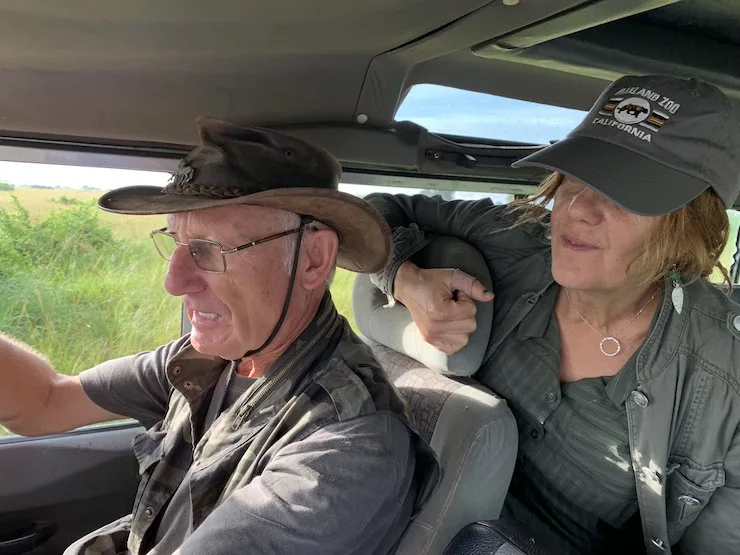
Oakland Zoo offers eco-trips to Uganda, where travelers spend time with the Uganda Carnivore Program (UCP). Travelers gain invaluable insight into the challenges facing both the human and wildlife populations in the region. Eco-trips to Kenya visit the Ewaso Lion Project as well. Both expeditions support lion conservation and awareness, and bring much needed supplies to the conservation teams in the field.
Oakland Zoo Community Engagement
Oakland Zoo shares lion conservation issues and solutions through docents and volunteers, Teen Wild Guides, Education programs, events, habitat signage, campaigns, virtual programs and media. Oakland Zoo celebrates lions and the conservation work continuously being done to ensure their survival with special events at the zoo.
Leadership Training and Staff Expertise
Oakland Zoo provides yearly professional development training for field partners, offering them a myriad of staff skills and resources to enhance conservation efforts. Zoo staff members have also provided training in human-wildlife conflict to other lion conservation leaders. The Zoo continues to provide guidance and support for Uganda Carnivore Program's conservation, education, and outreach work with the local communities. A first-ever Lion Festival at UCP was co-created by Oakland Zoo!
Our Partners

Uganda Carnivore Program
The Uganda Carnivore Program conserves lions, leopards, and hyenas while fostering coexistence with local communities.

Ewaso Lions (Kenya)
Ewaso Lions promotes peaceful coexistence between people and wildlife through education, outreach, and training for local rangers and community leaders.

Lion Recovery Fund
The Lion Recovery Fund works to double Africa’s lion population. Oakland Zoo supports this mission in Uganda’s Queen Elizabeth Park.

New Nature Foundation
New Nature Foundation ensures a legacy for African lions in Queen Elizabeth Park, Uganda, though community conservation efforts.

SAFE
AZA SAFE (Saving Animals From Extinction) brings together accredited zoos and aquariums, combining their expertise and reach to protect endangered species.
Taking Action for African Lions: You Can Too!
- TRAVEL with Oakland Zoo on an eco-tour and learn more about these issues first hand.
- PURCHASE WISELY when traveling; always buy locally-made goods so local communities can benefit from your purchases. Seek out artisan products made by people sharing habitat with lions.
- PASS on photo opportunities with lion cubs, adult lions, or any wild animal.
- NEVER purchase souvenirs, trinkets, or other products made from wildlife parts.
- CHOOSE WISELY when it comes to visiting a lion sanctuary. Do your homework to ensure they are not breeding lions to profit from tourists.
- BE SAFARI CONSCIOUS: if you are lucky enough to go to Africa, find an outlet that donates to conservation and treats lions with space and respect.
- SUPPORT laws that end trophy hunting.