Black Bears
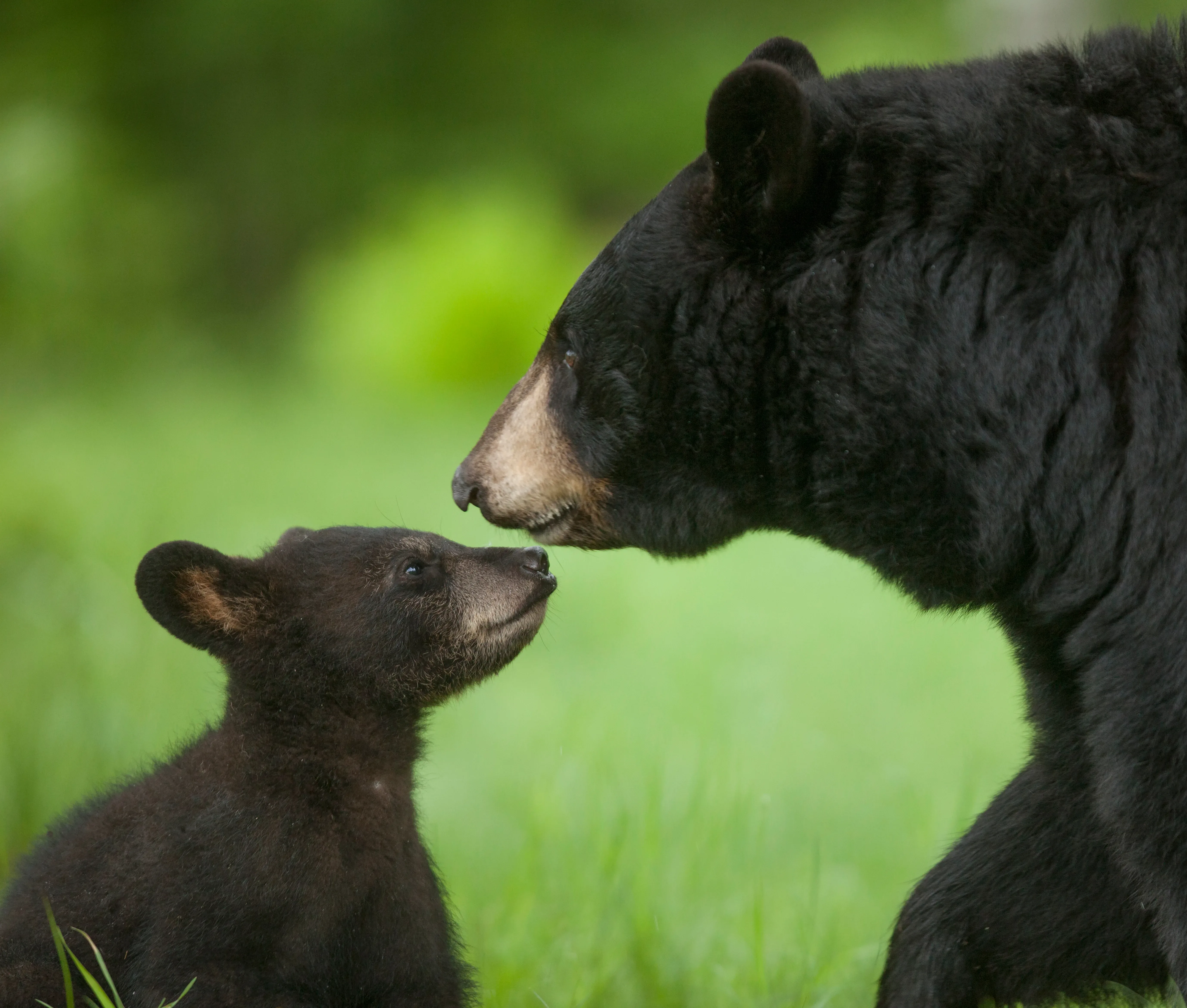
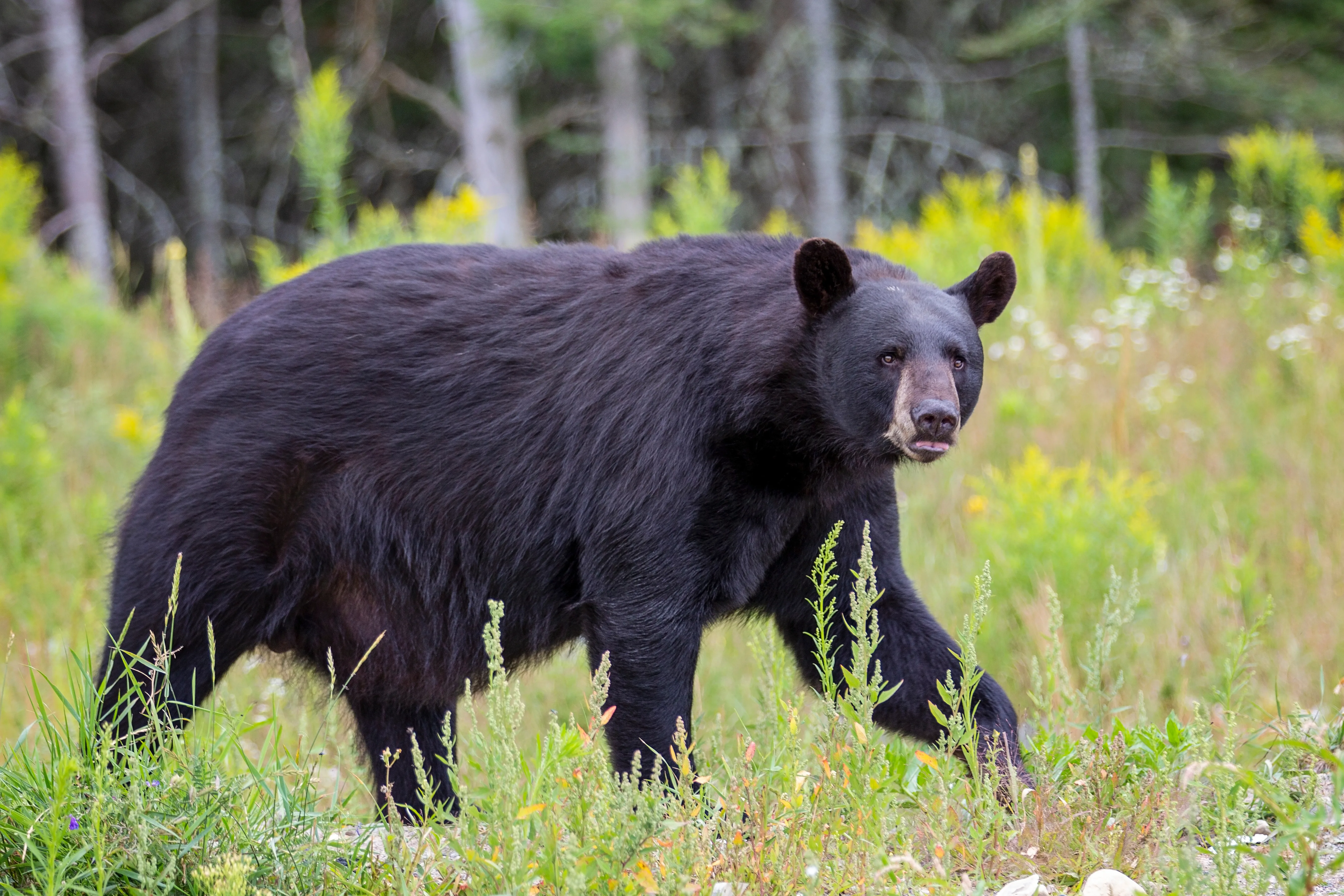
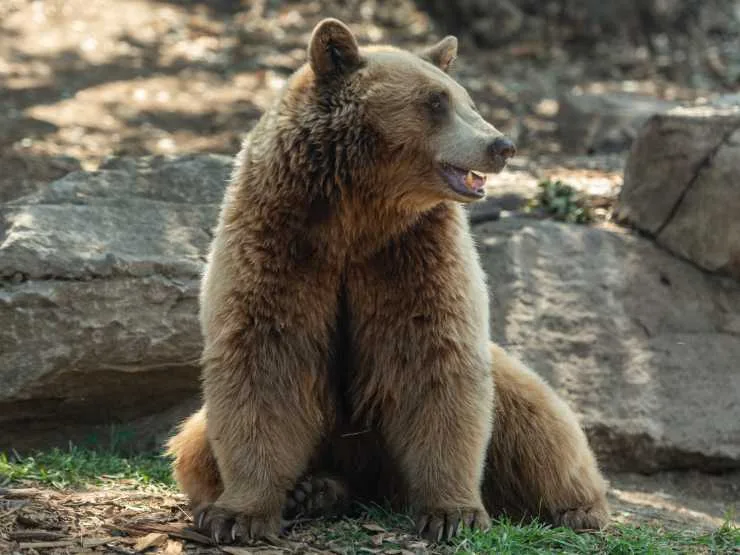
Of all the bears that once freely roamed the Golden State, the American black bear is now the only bear species found in California. It is estimated that the black bear population in California is between 30,000 and 40,000. These curious and intelligent animals have an excellent long-term memory, exceptional hearing, and eyesight like that of a human. In general, black bears are not aggressive towards humans and are naturally afraid of people. However, bears are opportunistic omnivores and always searching for food. Their sense of smell is ten times more powerful than a bloodhound, enabling them to smell food from miles away. It is often their keen sense of smell and dwindling habitat that cause bears to get in close contact with humans. In California, these bears face threats from human-wildlife conflict and wildfires due to climate change. A change in human habits and behaviors when in bear country are key to coexistence with bears. Oakland Zoo is committed to humans living in harmony with black bears in California, particularly in the Tahoe Basin region.
In the Tahoe area we have funded Deterrent Mats that keep bears away from 350 homes per year.
Conservation Challenges
Human Wildlife Conflict
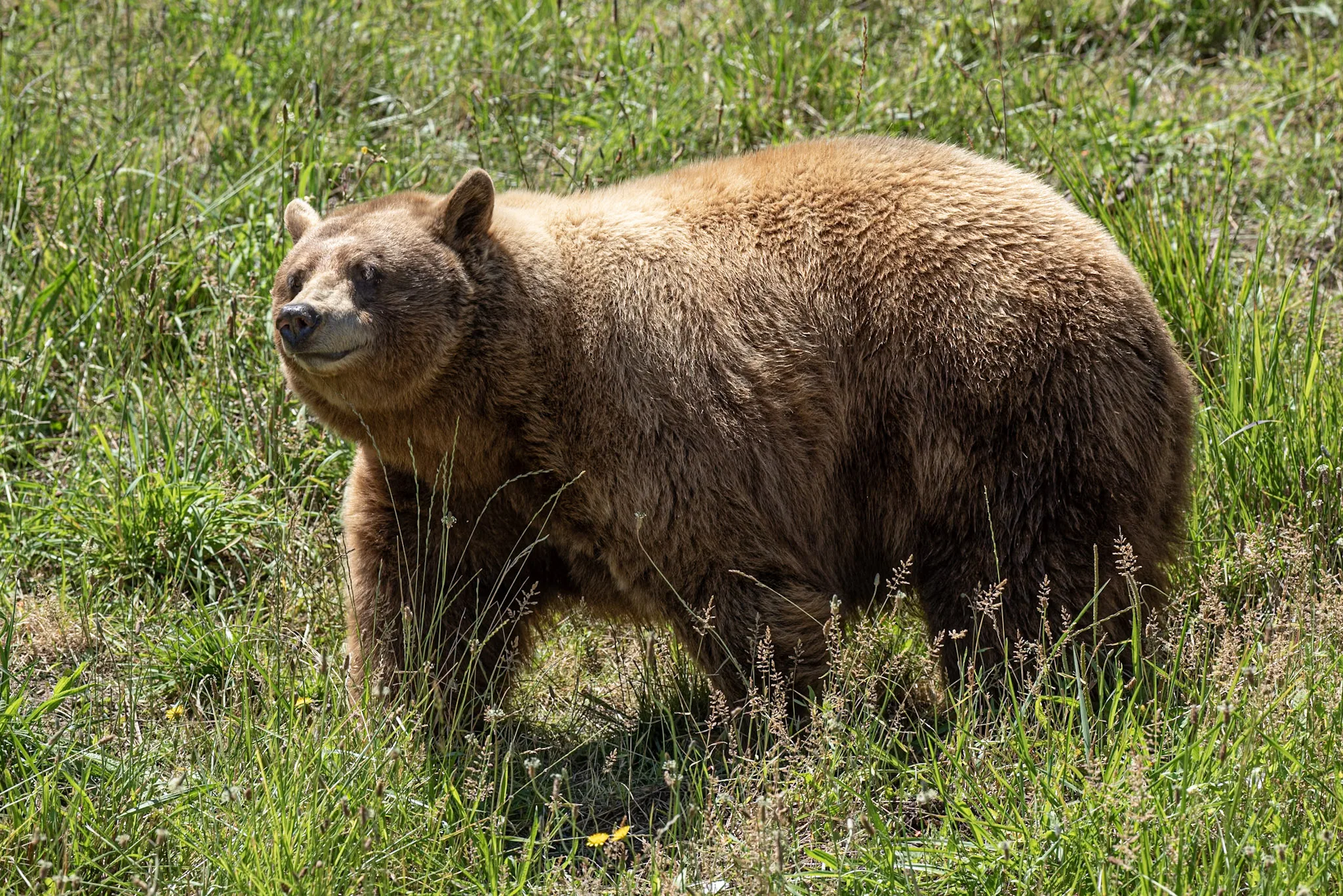
When residents and visitors leave food out or easily accessible, it causes conflict with bears that can lead to the death of a bear or a human. Black bears are omnivores and can be opportunistic when it comes to finding food—food left in cars, homes, vacation rentals, or poorly secured trash cans is an easy choice for a hungry bear. When bears become habituated to human food, conflict arises and can tragically result in bears being euthanized. These naturally shy animals are being pushed into further conflict as human development destroys forest corridors, and wildfires force the bears out of the woods and into neighborhoods. Lastly, car strikes on mountain roads that kill or orphan black bears are becoming more prevalent.
Climate Change
Wildfires in black bear habitats have caused bears and other wildlife to become injured. If paw pads get burned, bears cannot walk; therefore, they cannot find food or water. When a mother bear is killed in a fire, it is difficult for a very young cub to survive. As fires burn through bear habitat, bears and other wildlife are forced out of the mountains at increased rates as they desperately search for food or water.
Oakland Zoo is Taking Action for the Black Bear
Project Support
Oakland Zoo sponsors the BEAR League’s Mat Deterrent Program as well as an engaging and interactive “coffee table book” currently in design to help educate visitors (and residents) about bears and bear safety.
Veterinary Care
Oakland Zoo provides state-of-the-art wildlife veterinary care for sick, injured, burned, or orphaned wild black bears through a long-standing partnership with California Department of Fish and Wildlife. The zoo’s veterinary team is poised to respond to a bear medical emergency. Oakland Zoo is dedicated to giving black bears the care they need at these critical times. Oakland Zoo will also care for a bear that has been injured and needs to be skillfully cared for before being relocated to a safe territory.
Community Engagement
Oakland Zoo shares conservation issues facing black bears and empowering solutions to conserve them to the public through a variety of channels: Docents and Volunteers, Teen Wild Guides, education programs, events, exhibits, campaigns, Keeper Talks, and media stories. Oakland Zoo also celebrates bears and the conservation work being done to ensure their survival with special events at the zoo.
Leadership Training and Staff Expertise
Oakland Zoo provides yearly professional development training for field partners, offering them a myriad of staff skills and resources to enhance conservation efforts
Forever Homes
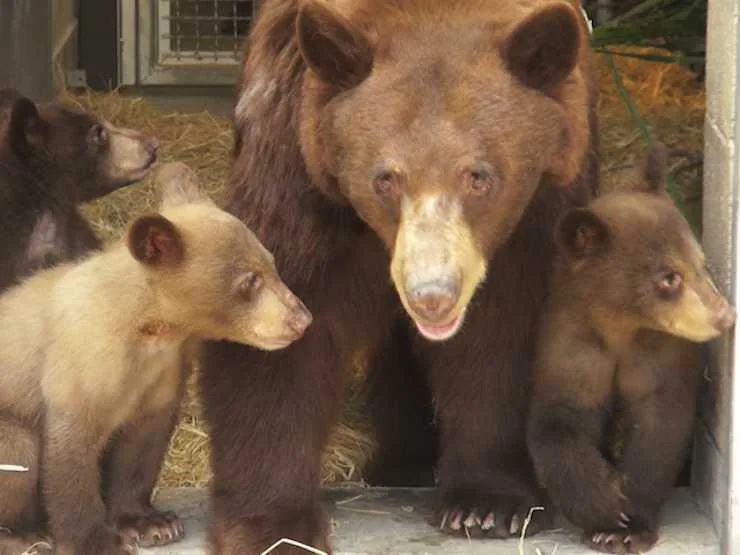
Oakland Zoo’s California Trail features a family of black bears with a special backstory: after becoming habituated to humans, a mother and her cubs began entering neighborhood homes in search of food, creating a serious human-wildlife conflict. By working with the California Department of Fish and Wildlife, Oakland Zoo was able to provide a “forever home” for this bear family, which prevented the bears from being euthanized.
Our Partners

California Department of Fish and Wildlife
The California Department of Fish and Wildlife manages and protects the state's wildlife, wildflowers, trees, mushrooms, algae, and native ecosystems.

People and Carnivores
People and Carnivores is dedicated to conserving, protecting, and restoring predators like the grizzly bear and their habitats through public awareness, sound ecological monitoring techniques with a deep understanding of social and political patterns.

Wildlife Conservation Society
WCS spearheaded an American Bison Society initiative to help build the social and scientific foundations for the ecological restoration of bison. Their dedication to the Iinnii Initiative and the landscapes of Glacier National Park are paramount to our shared vision.

Zoo-Park Partnerships
Zoo-Park Partnerships (ZPPs) help America recover the wildlife legacy lost during Westward Expansion era of U.S. history and improve wildlife population health, genetic integrity and habitat in ways that also benefit local communities on public lands today. ZPP helps Glacier National Park and Oakland Zoo strengthen their relationship, ultimately benefit bison and all animal in this shared habitat.
Taking Action for Black Bears: You Can Too!
- JOIN the BEAR League.
- CALL 530-525-PAWS (7297), a 24/7 hotline, if you are concerned about a bear
- REDUCE or eliminate the attraction of human food sources using tightly closed trash containers (bear-proof) and dumpsters. Clean up after outdoor cooking, and store food out of bears’ reach.
- STAY SAFE by keeping windows, doors, and pet doors closed in bear territory.
- NEVER FEED a bear. Feeding bears makes them become a nuisance, which can threaten its life.
- DRIVE SAFELY and slowly on mountain roads to prevent collisions with bears.