Western Black Widow
Not Evaluated
Urban and Woodlands
North America
Nocturnal
Carnivorous
Children’s Zoo

Characteristics
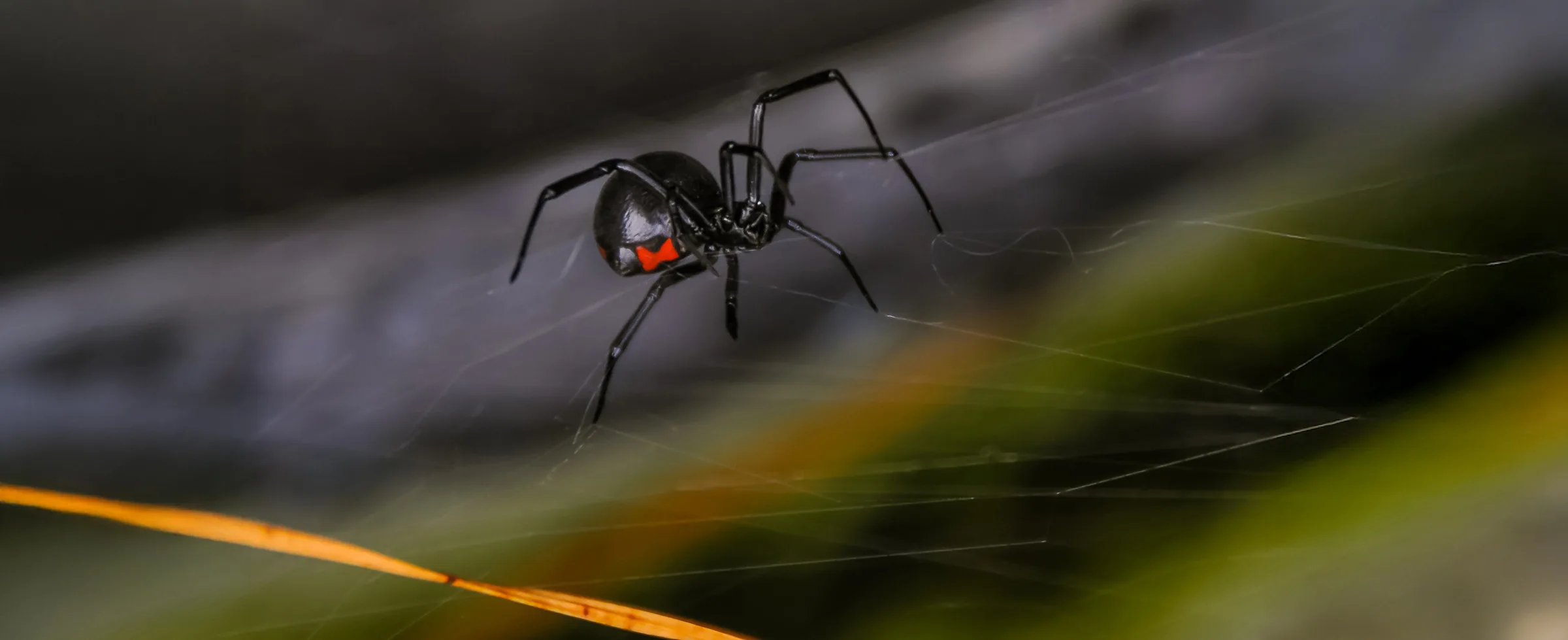
Western black widows are small, with a shiny black color. They are infamous for the red hourglass shape on the bottom of their abdomens, however that characteristic is only seen on female black widows. Females are also much larger than their male counterparts at around 3.5 cm. Males are usually half that size.
Habitat & Ecology
This specific species of black widow are found in the western regions of North America. Black widows live in a variety of spaces, but prefer small crevices. Common areas are piles or rock or wood, old burrows dug by other animals, and in tree crevices. In more urban areas, they can be found on trash cans, toys, or even gardening supplies left outside.
Like most spiders, black widows help to control the ever-growing insect populations and are a food source for many larger animals.
Diet
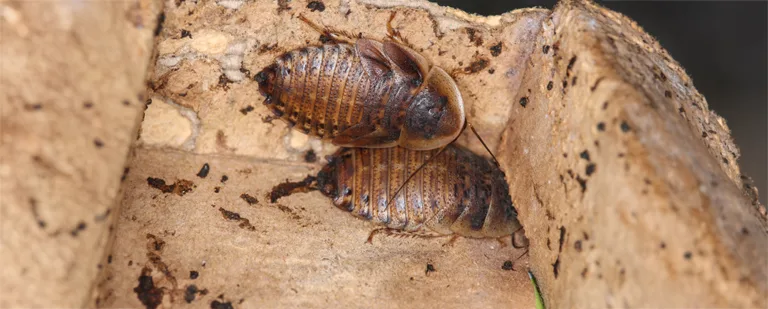
Western black widows are a type of carnivore called insectivores. They feed primarily on insects and other invertebrates. Common prey items for them include beetles, cockroaches, crickets, and flies. They are also known to cannibalize on their siblings and even mates.
Behavior & Reproduction
Black widows are nocturnal and solitary. They have extremely poor eyesight compared to other spiders and rely primarily on feeling vibrations from their webs to map out the world around them. They are also timid arachnids that like to stay out of sight.
The life of a black widow is very short lived. In the summer, at a year of age, females can lay 4-9 egg sacks, each containing as many as 750 eggs. After a 14 day incubation, only 1 out of 12 spiders will actually survive to be 30 days old. This is usually due to a high rate of cannibalism upon hatching. Males will reach maturity at 70 days old, and usually only survive a month or two after, whereas females will reach maturity at 90 days, and can survive for another year. Females will eat males after mating, giving them their name of widow spiders.
4 months for males, 1.5 years for females
Summer
4-9 egg sack, each containing 750 eggs
Yearly
Conservation
Western black widows are currently not listed on the IUCN Red List. That means this species has no cause for concern. However, because of their infamous venomous bite, many people are scared of these animals and exterminate them. Black widows are incredibly useful for getting rid of mosquitoes, cockroaches, flies, and other insects in an area. We want to promote safe removal and relocation of these arachnids whenever possible.
Fascinating Facts
- Their venom is 15 times more potent than rattlesnake venom! A bite for them does require hospitalization, but this is incredibly rare because of their timid and elusive behavior.
- Due to urbanization, black widows have many more places to call home. Humans have accidentally created nearly perfect homes that offer better protection from many would be predators.
About Our Animals
Oakland Zoo currently has one black widow. This female black widow was relocated to the Bug House after being found on-grounds in a maintenance workers vehicle. Now she serves as an ambassador for her species, showing visitors her awesome skills.