10 Fun Animal Facts for Latin Heritage Month
Each year the U.S celebrates Latin American culture, heritage, and contributions to society September 15th – October 15th. In honor of Latin Heritage Month, here are 10 interesting facts about some of the Latin American animals we have at the zoo!
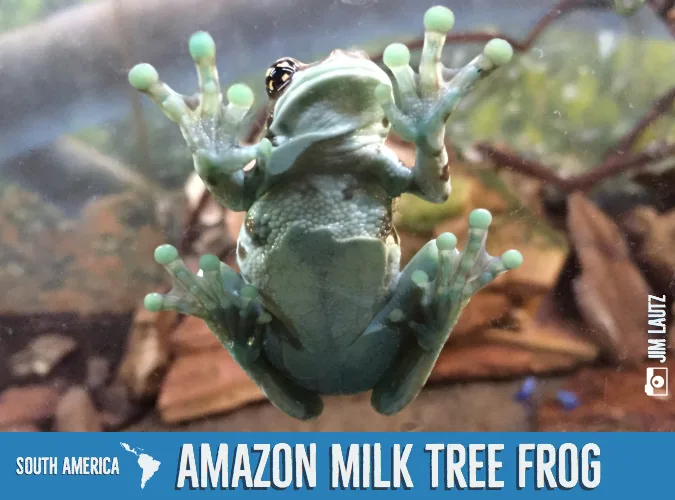
1. Amazon Milk Tree Frog
The toe pads of this fabulous frog can hold up to 14 times its body weight, making it easier to jump to their desired location.
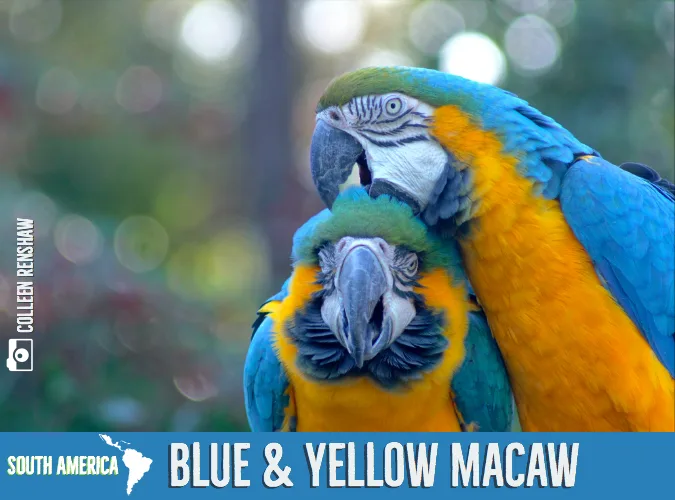
2. Blue and Yellow Macaw
Every bite makes a difference! Macaws play a role in seed dispersal and thus shaping the forest when they eat.
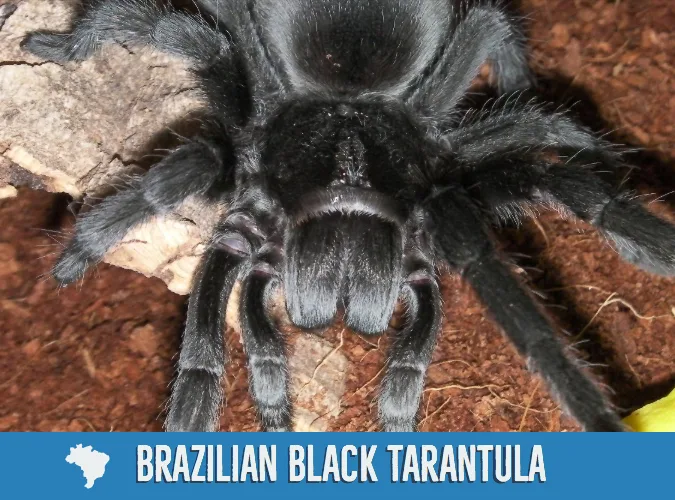
3. Brazilian Black Tarantula
Females can live up to 20 years and can lay up to 600 eggs at one time.
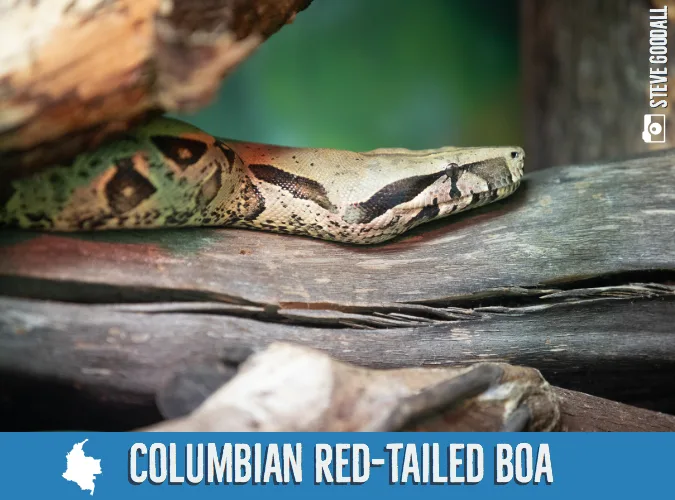
4. Colombian Red-Tail Boa
Talk about a NON-picky eater: these snakes will eat almost anything they can find, including insects, grubs, mealworms, spiders, other lizards and their eggs, aquatic invertebrates and fish; as well as their own molted skin and detached tail!
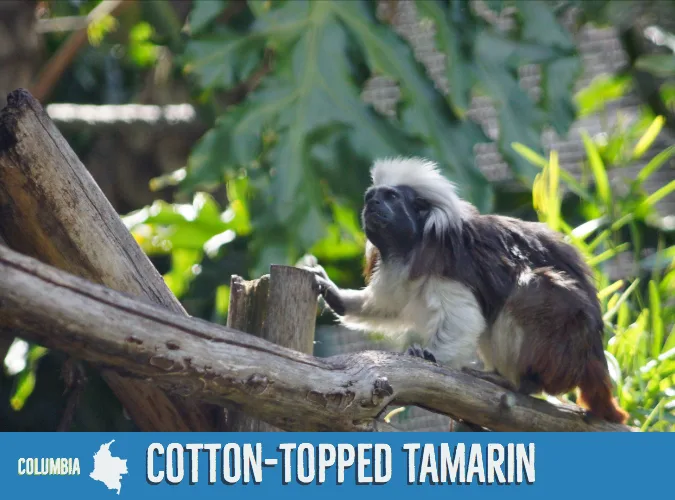
5. Cotton-Topped Tamarin
To look tough, these little guys push their foreheads down to form a bulge that almost covers their eyes, push their lips forward, and raise their head and neck crests.
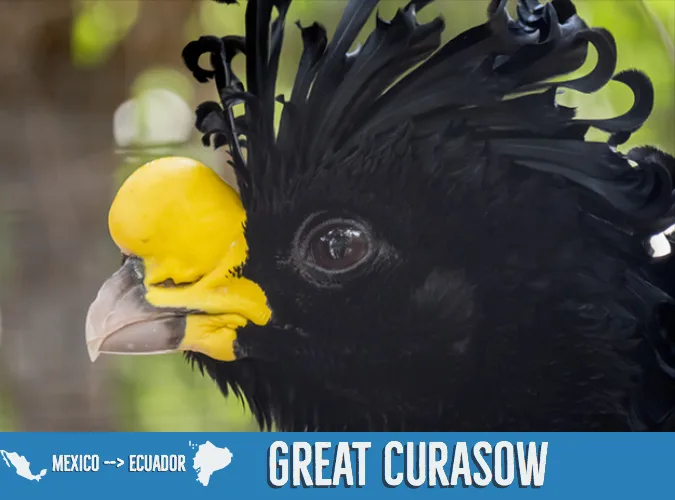
6. Great Curassow
Curassows spend much of their time stalking about the forest floor in search of fallen fruits. They scratch the ground like chickens and eat large insects or small animals.
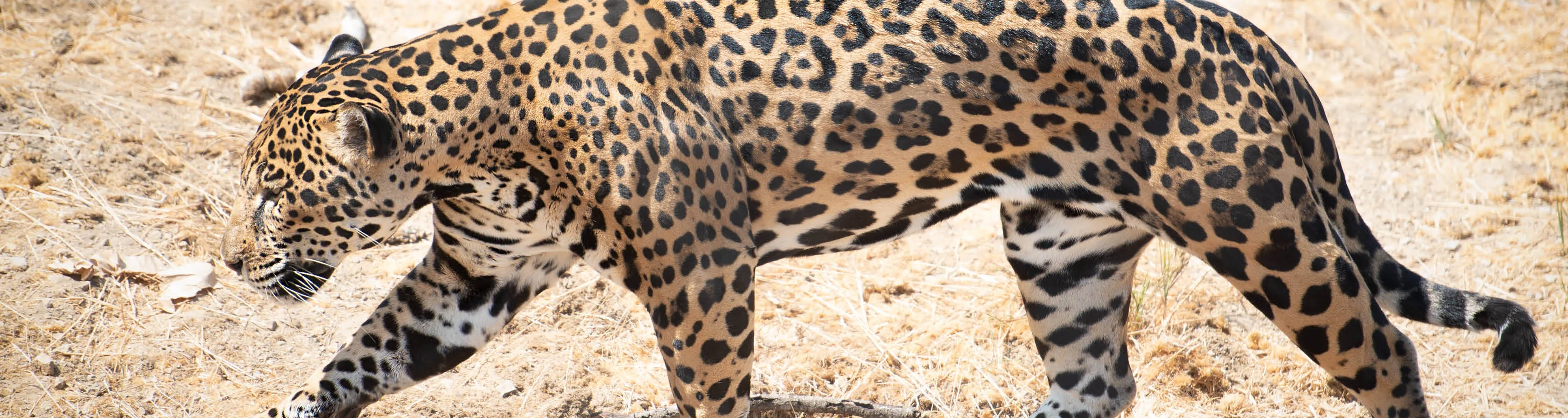
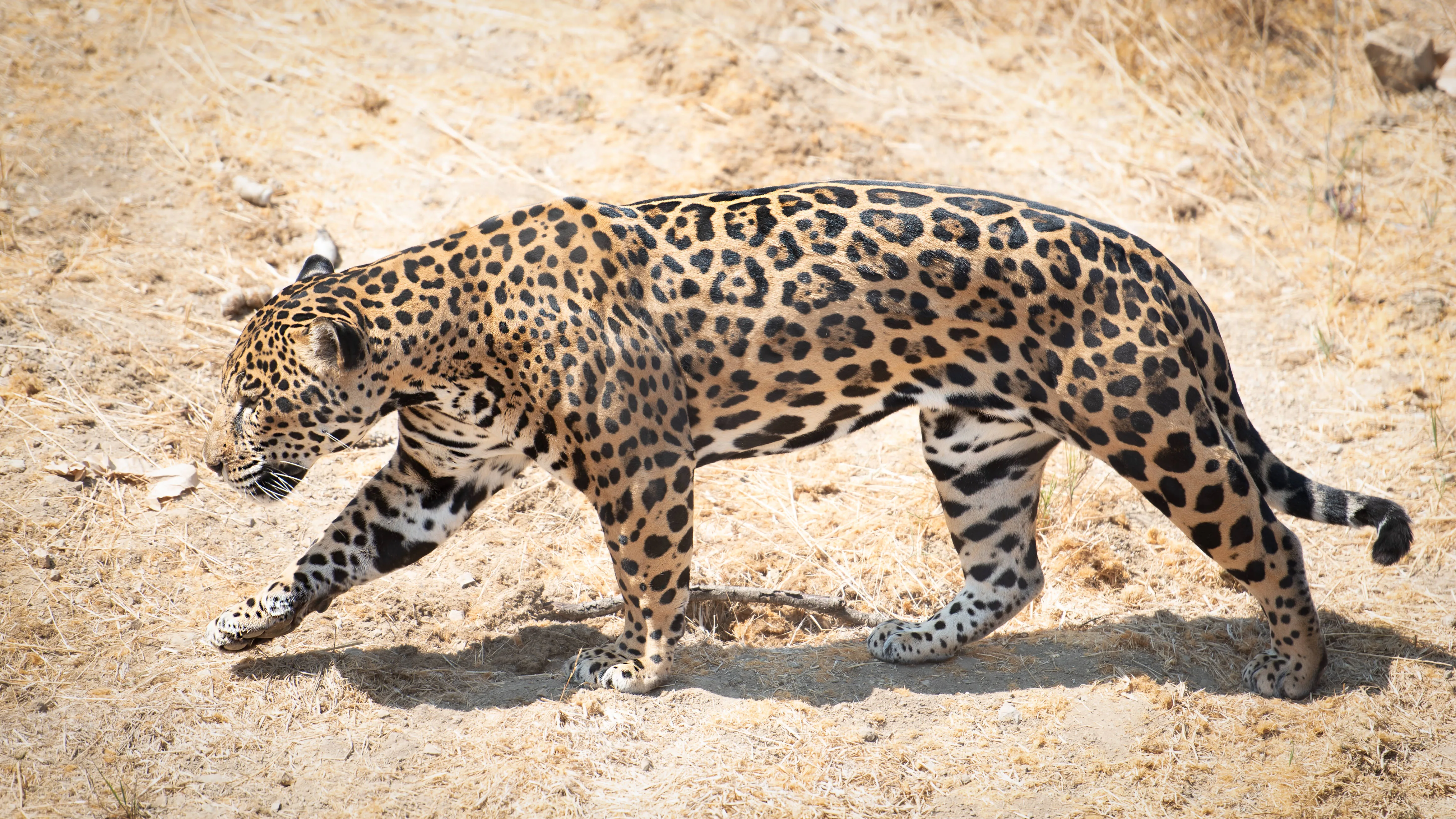
7. Jaguar
These guys have a more powerful bite than most big cats. And they hate leftovers! They'll eat their fill and leave the rest of a kill for scavengers.
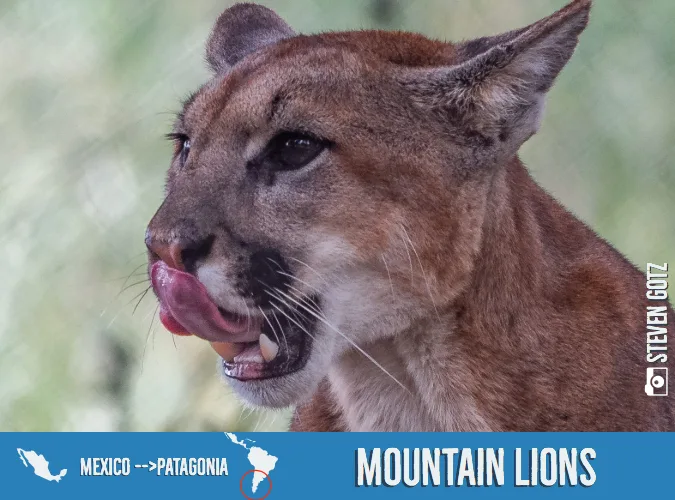
8. Mountain Lions
They love to watch and be unseen by others, which is reflective in their choice of habitats. They prefer to live in locations with a lot of stalking cover to ambush their prey.
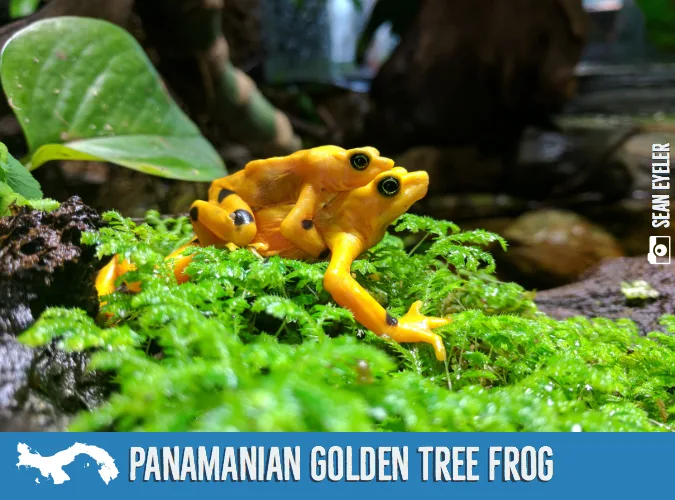
9. Panamanian Golden Tree Frog
Pre-Colombian indigenous peoples considered the frog sacred and crafted talismans in their form. This frog is a now a cultural symbol in Panama, where its image is found on everything from T-shirts to lottery tickets.
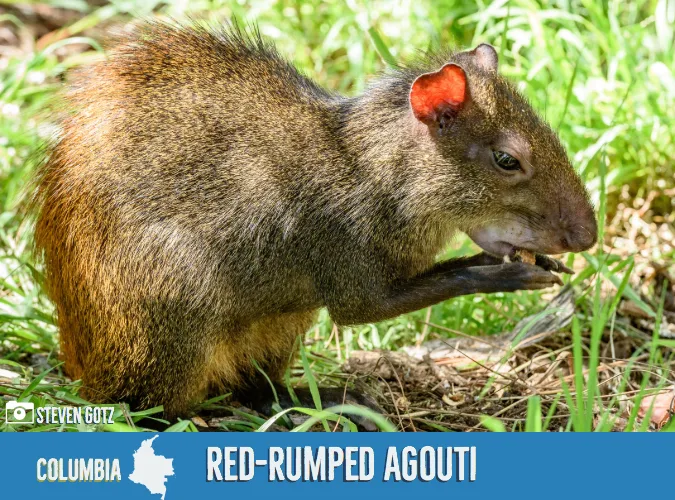
10. Red-Rumped Agouti
Agouti are very vocal animals. They have a range of sounds, grunts, squeals, and even hind foot stamping to communicate distress or alarm.