Conservation Adventure—Releasing Frogs Back to the Wild
In the spirit of inspiring others in Taking Action for Wildlife, Oakland Zoo's Conservation Department invites staffers from other zoo departments to join them on projects in the field. For this frog release, Sean Piverger, who works in the Operations Department, joined the Conservation team. Sean wrote this story of his experience!
As a part of Operations at the Oakland Zoo, I talk to guests through a window in order to find out what they need in regards to ticket sales, the zoo, etc. Little did I know that one window would "talk" to me via a letter in the break room. The letter stated that the Conservation department was going on a trip to Sequoia and Kings Canyon National Park in Three Rivers in late July that would involve the release of Yellow legged frogs and extended “an invitation for one staff member” to accompany them on the trip. I was fortunate enough to be selected for the trip, and on July 27th the Conservation department and I drove to the park to release the frogs. The purpose of this trip was to release the frogs back into the wild after being treated here at the zoo for a deadly fungus.
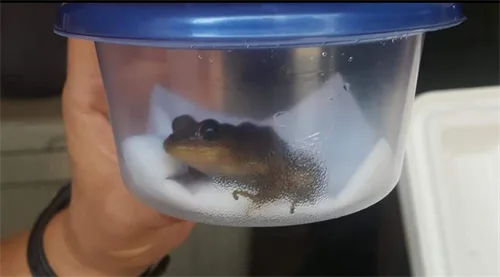
Yellow-legged frogs used to be an abundant species, but because of a disease called chytridiomycosis, the frogs became an endangered species. Chytridiomycosis, a disease that is caused by the fungus Batrachochytridium dendrobatitis (Bd), causes the skin on frogs to harden. If that happens, the frogs won’t be able to breathe and regulate electrolytes through their skin and they will die from cardiac arrest. This aquatic fungus was discovered in Australia in 1998 and can infect each new generation of frogs.
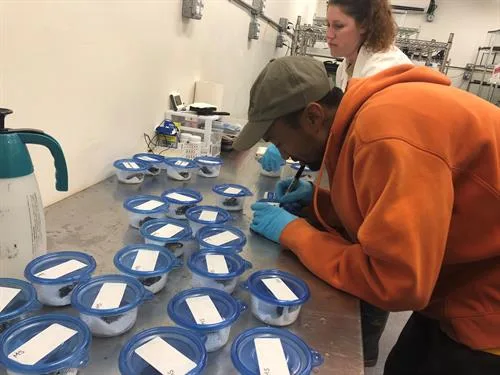
But there is hope! Since the fungus only mildly attacks frogs in their tadpole stage, we bring them to the Oakland Zoo so that they can be inoculated when they are young. This process takes some time. In order for the frogs immune system to be truly effective, they must be exposed to the fungus which allows them to stimulate their immune systems (a killed or modified version of the pathogen does not produce any detectable antibodies). After that we treat them to clear the infection. This is a two week treatment process that involves a 10 minute soak in an itraconazole (antifungal) solution that the frogs must go through and after that more tests. Once the frogs are cleared of infection, they are implanted with a microchip and then they are off to the park.
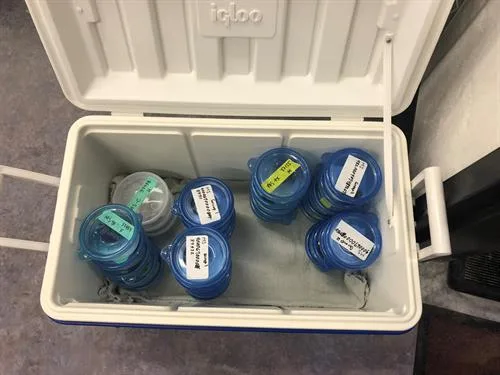
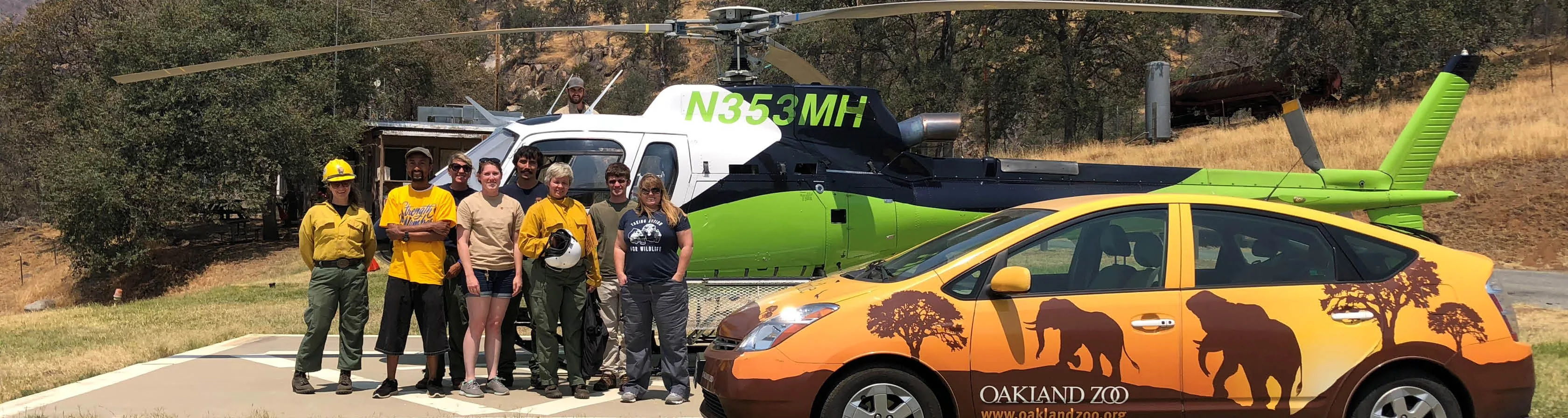
With help from the Sequoia and Kings Canyon National Park Service Fire and Aviation team, we were able to put the frogs on the rescue helicopter so that they could be escorted back into the wild.
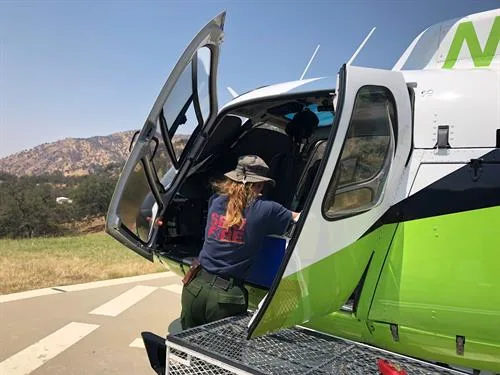
Going on this trip gave me the opportunity to do something different for the zoo. It gave me the chance to learn about the zoo’s conservation efforts and to see first-hand how we take care of endangered animals. We took care of the frogs by providing them with the treatment that they needed so that they can live a healthy life without Chytridiomycosis. I also learned that the Sequoia and Kings Canyon National Park Service Fire and Aviation team not only fights fires but they also take the time to help put the frogs back where they belong. Working with the Fire and Aviation team showed me that we are connected to people who value the preservation of animals. Just like the zoo, it takes a team to get stuff done. And with the right amount of resources, we can do just that.
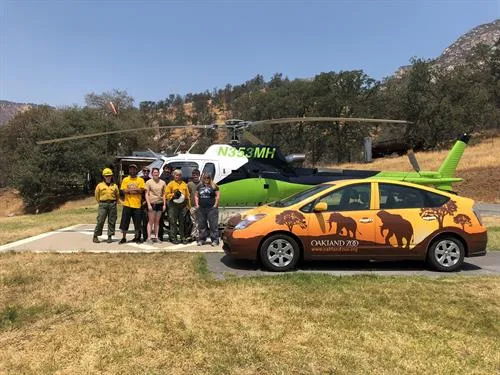
The trip to Sequoia and Kings Canyon National Park gave me a chance to be a part of the conservation effort for the zoo. Hopefully, everyone can have their own conservation adventure too!