Shetland Sheep
N/A
Grasslands
originated in Shetland Isles
Diurnal
Herbivorous
Children’s Zoo
Characteristics
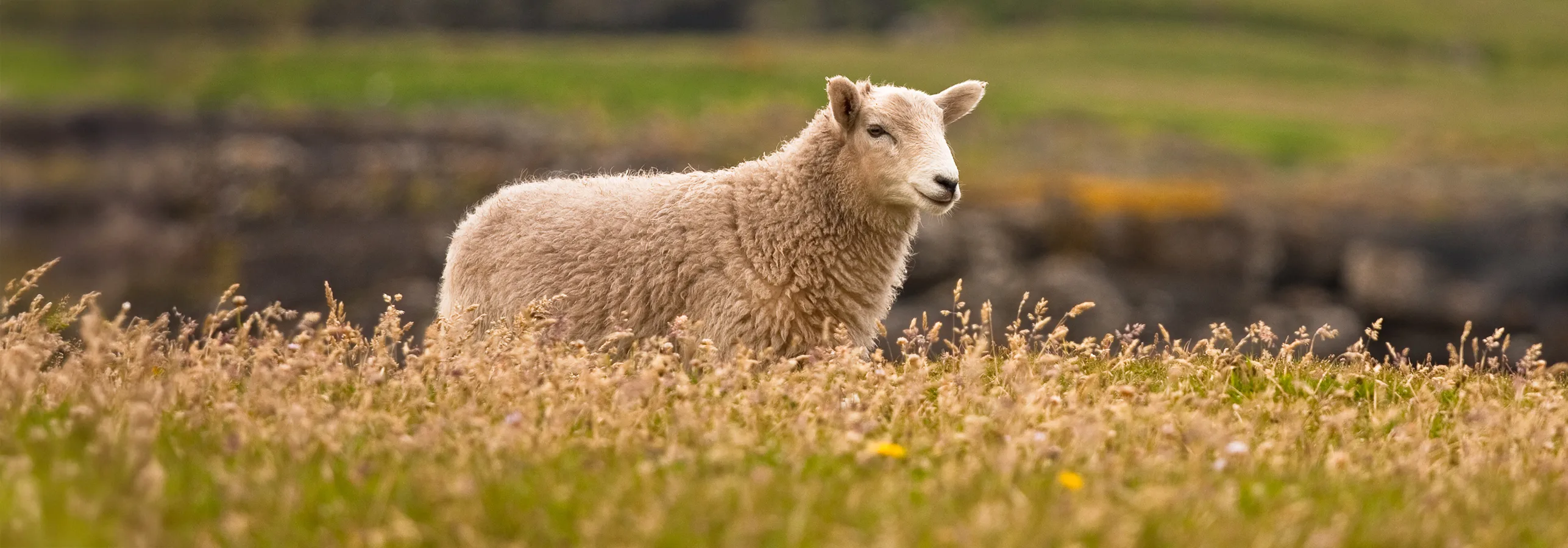
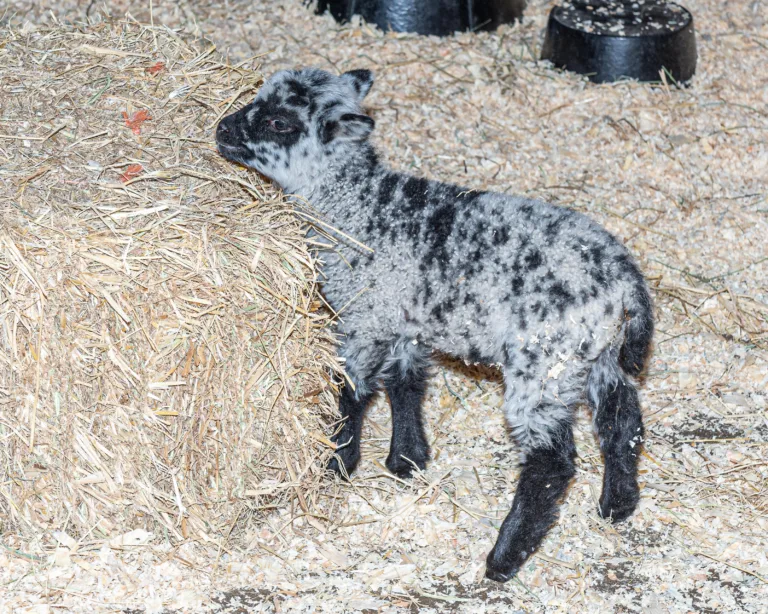
Shetland sheep are one of the smaller breeds of domestic sheep. Described as fine boned, they reach only 4-5 ft long, and just over 2 ft at the shoulder. Males, called rams, are larger than females ranging between 90-125 pounds. Females, called ewes, are between 75-100 pounds. Rams have spiraled horns, whereas ewes are polled (genetically do not have horns). Shetland sheep are covered in thick hairs supported by a soft woolly undercoat. Shetlands come in one of the widest variety of colors of any breed. Other than white, they can be shaela (silvery gray), moorit (reddish brown), fawn, gray, dark brown, or even black. There are 11 different main colors, as well as 30 marking patterns a Shetland sheep could have. Unfortunately, many of these colors and markings have become quite rare as white wool has increased in popularity.
Habitat & Ecology
Historically, Shetland sheep were only found on the Shetland Isles of Scotland. Now, because of thousands of years of domestication, Shetland Sheep are widespread across multiple countries and continents. Preferring grasslands and open pastures, all they really need is a place to graze on grasses, shelter, and water. Because of their thick wool coats, they can survive well in just about any climate.
Diet
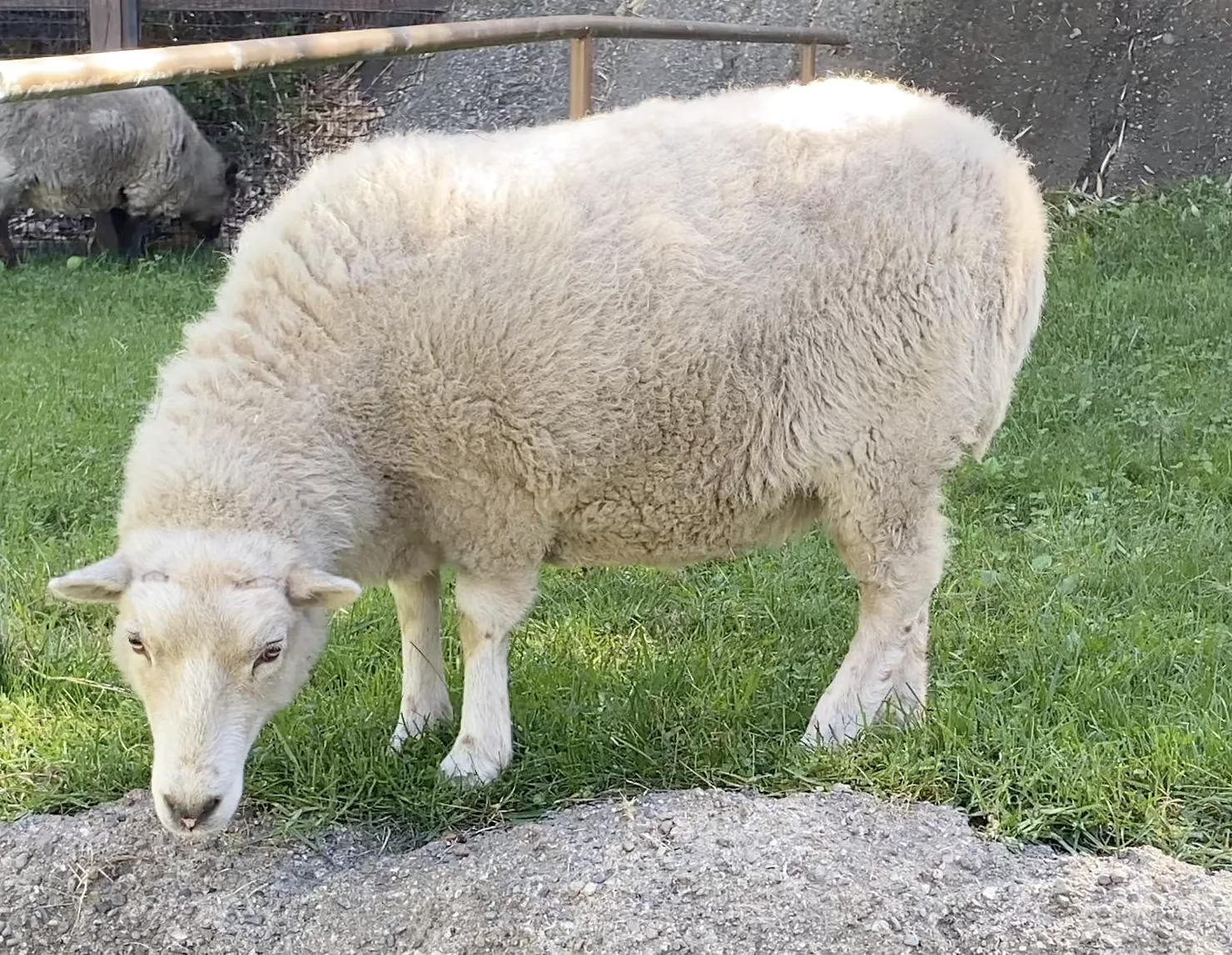
Shetland sheep are herbivores. They mostly eat grasses, legumes, and other pasture plants. In human care they also eat a substantial amount of hay. Sheep can spend an average of seven hours a day grazing, mostly during dawn and late afternoon. Shetland Sheep belong to a classification called ruminants. You may have heard of ruminants like cows and sheep having 4 stomachs. More accurately, ruminants have one stomach with 4 chambers. This complex digestive system allows ruminants to make the most out of the nutrients in the fiber-rich food they eat. They also chew their food twice in the form of cud! Cud is a food bolus that is regurgitated, rechewed, and then re-swallowed.
Behavior & Reproduction
Shetland sheep are social animals that live in flocks. They are incredibly gregarious and almost never separate from their flock mates. Lost sheep get distressed and will bleat loudly until they find their flock again. They also have strong familiar bonds and are most often spotted with their siblings, parents, or grandparents. When the flock leader moves on to another pasture, the entire flock will follow behind.
Breeding for Shetland sheep is highly seasonal, starting in October and ending around November in the Northern Hemisphere. It is most common for female sheep, ewes, to have just one lamb, but when pastures are rich in nutrients, ewes are known to have two lambs. Healthy lambs are born at just between 4-7 pounds. Lambs are fully weaned by 4-5 months of age, grazing on available grass.
10-12 years
October-November
1-2
1 year
Conservation
In the early twentieth century, Shetland sheep were perceived as threatened due to cross breeding. In order to combat this, the Shetland Flock Book Society was formed in 1927. Thanks to their protections, Shetland sheep are currently in good standing as domestic livestock and are still overseen by the Shetland Flock Book Society.
Fascinating Facts
- Sheep have rectangular pupils, much like goats do. Their rectangular pupils allow them to see around 270° field of vision. They can essentially see just about everything around them without having to turn their heads, except for right behind their head.
- Sheep don’t walk in a straight line! Sheep wind their path to keep their backside in their field of vision at all times, one eye at a time.
- Fine Shetland yarn is used to make the famous Shetland Islands Wedding Ring Shawls. This lace shawl is so delicate that one can draw it through a wedding ring.
About Our Animals
Oakland Zoo has a small flock of Shetland sheep, Matt, Claire, and Tony, that live in the larger herd of our domestic goats. They can be easily told apart as they all have distinct colors. Matt has light brown wool and a brown face and legs. Claire has a mottled gray, black, and white face. Tony has the whitest wool and a black face and legs.
As the year progresses, you might spot our sheep with some unfortunate haircuts or different stages of hair growth. This is because our sheep are trained to get sheared entirely voluntarily. Sometimes they have the patience to sit through an entire session, sometimes they decide they’d rather walk away halfway through and come back the next day! You can visit them at the Contact Yard. They act as animal ambassadors, allowing guests to connect and learn from them.