
Reticulated Giraffes
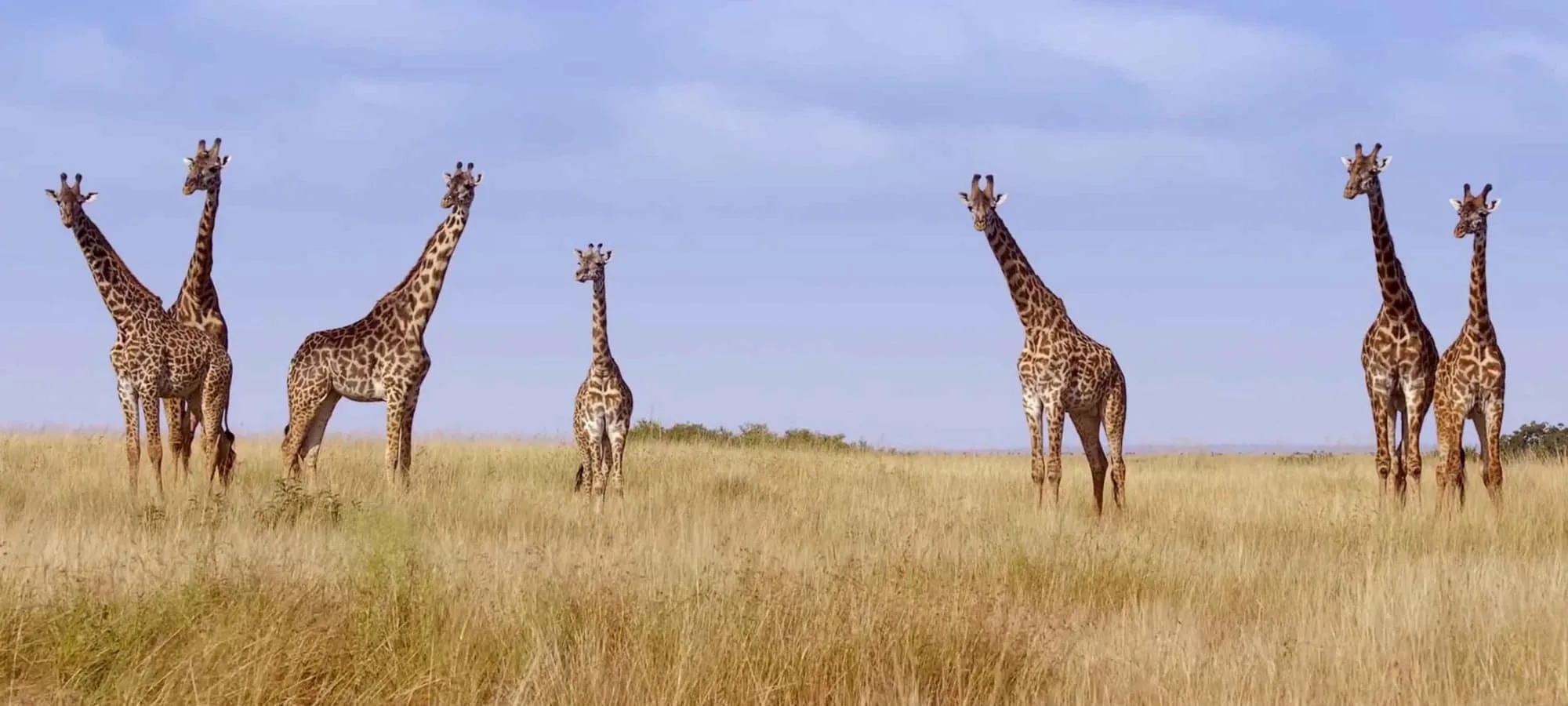
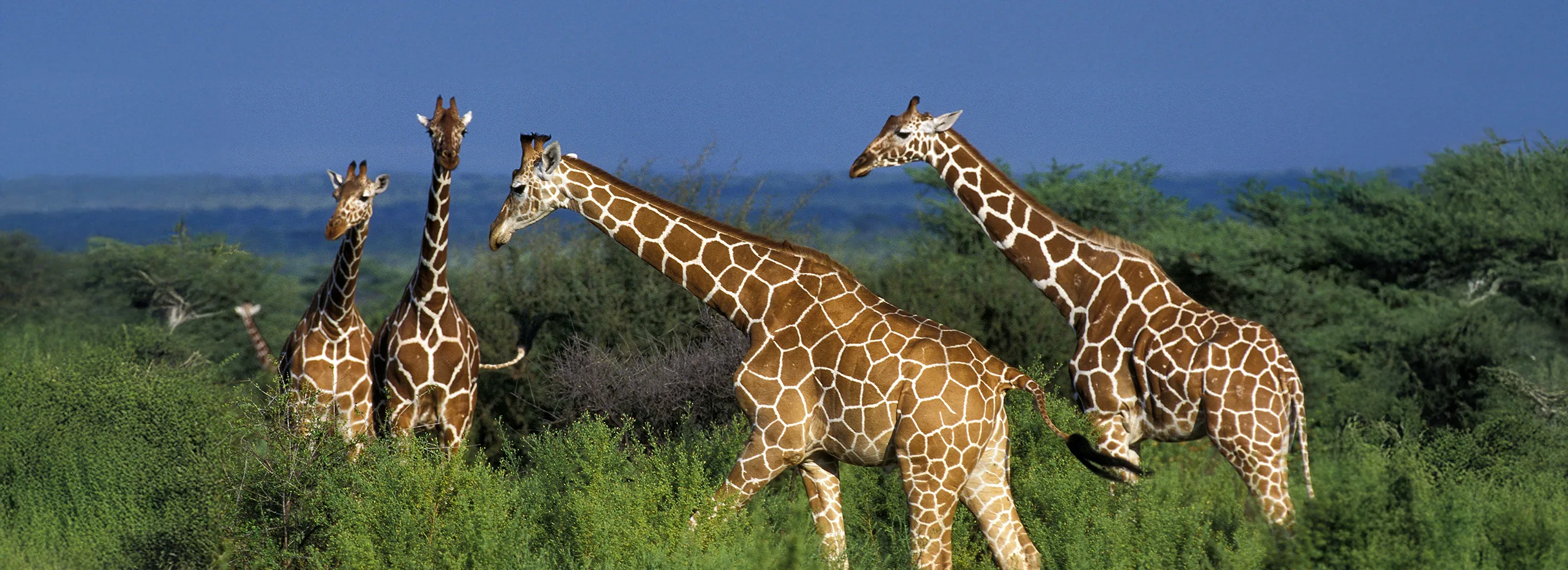
Reticulated giraffe are gentle giants that tower over the African savanna, displaying a "reticulated" spot pattern makes them unique, and due to their many conservation challenges, very rare. In the Northern regions of Kenya, the reticulated giraffe population lives on communally- owned land. Oakland Zoo is committed to supporting programs that increase knowledge of reticulated giraffe behaviors and conservation needs, and to co-create solutions to coexistence with the communities that live and farm amongst these endangered beauties.
Toss the Tusk at Oakland Zoo brings hundreds of illegal wildlife items off the public market in the Bay Area, helping to end the trade.
Conservation Challenges
Poaching/Illegal Wildlife Trade
These majestic animals are in serious decline. Giraffe are being killed in the wild for their body parts, and giraffe meat is sold in the open, illegally at markets. Poaching has only increased during the Covid pandemic, due to food scarcity and job loss. Giraffe pelts, bones, hair, and tails are also profitable. Giraffe hair is used to make bracelets, fly whisks, and other items. Giraffe parts are also exported as part of the illegal wildlife trade. Annually, thousands of items made from giraffe are imported to the United States for sale (From 2006 to 2015: 3,744 giraffe hunting trophies, 21,402 giraffe bone carvings, and 3,008 giraffe-skin pieces).
Loss of Habitat
The wide range reticulated giraffe once enjoyed is quickly disappearing due to habitat loss, due to population growth, urban development, agriculture, and mining. With more and more people moving into their territory, giraffe are losing their primary source of food: acacia trees. Researchers believe the reticulated giraffe population is faring worse than other animal species. Today, it is estimated there are fewer than 9,500 reticulated giraffe alive in the wild, with almost all restricted to habitat on the north coast of Kenya.

Oakland Zoo is Taking Action for Reticulated Giraffe
Project Support
Oakland Zoo supports the mission of the Somali Giraffe Project through an annual partnership grant.
Community Engagement
Oakland Zoo shares stories of giraffe conservation, and empowers solutions for public action through a variety of channels: Docents and Volunteers, Teen Wild Guides, Education programs, events, exhibits, campaigns, Keeper Talks, and media stories. The Zoo is committed to combating the Illegal Wildlife Trade with a comprehensive campaign to ensure our community is part of the solution: #Endthetrade: Illegal Wildlife Trade, as well as Toss theTusk, a Bay Area wildlife item collection program.
Leadership Training and Staff Expertise
Oakland Zoo provides yearly professional development training for field partners, offering them a myriad of staff skills and resources to enhance conservation efforts.
Our Partners
Somali Giraffe Project
The Somali Giraffe Project is a trans-boundary community-based conservation project that focuses on the conservation and recovery of the endangered reticulated giraffe through Research, Education, and Community involvement.

SAFE
AZA SAFE (Association of Zoo's & Aquariums Saving Animals From Extinction) focuses the collective expertise within AZA-accredited zoos and aquariums and leverages their massive audiences to save species.
Taking Action for Giraffes: You Can Too!
- EXPERIENCE an Eco-Travel trip with Oakland Zoo and to Kenya.
- PURCHASE environmentally sustainable craft items from Oakland Zoo’s gift shop that support the livelihoods of Kenyans.
- Give back your exotic wildlife products to help combat the Illegal Wildlife Trade at a Toss The Tusk event.
