Madagascar Sacred Ibis
Endangered
Wetland
Madagascar and Aldabra Islands
Diurnal
Carnivorous
African Savanna
Characteristics
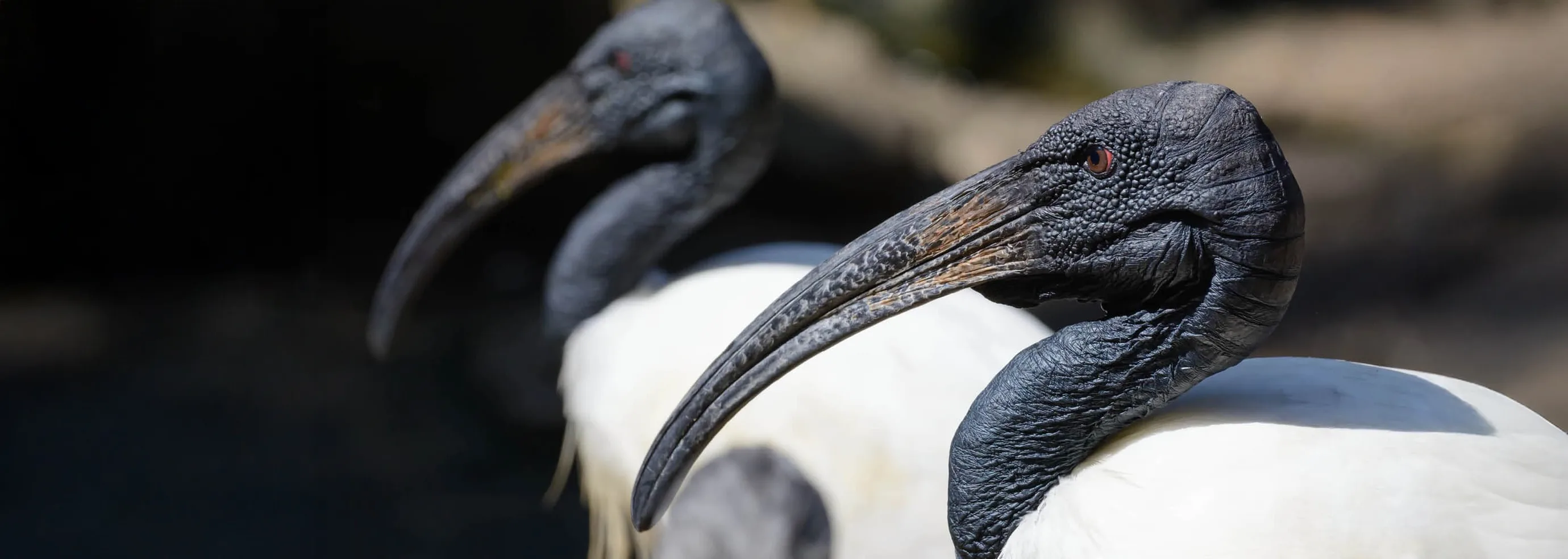
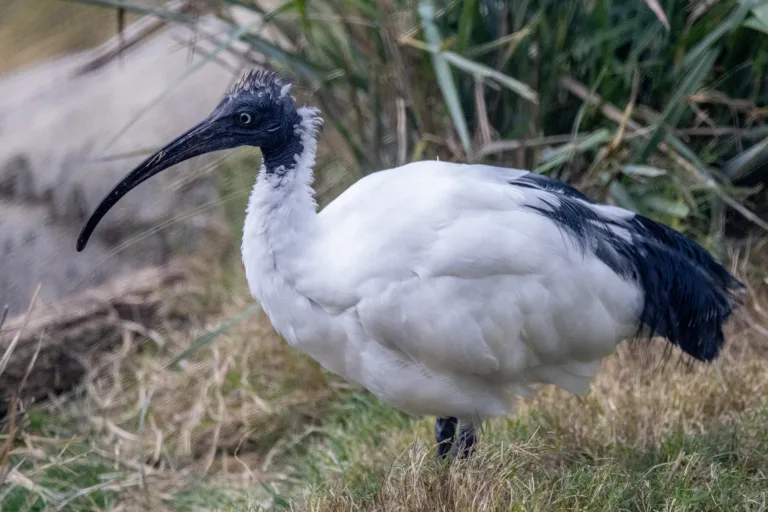
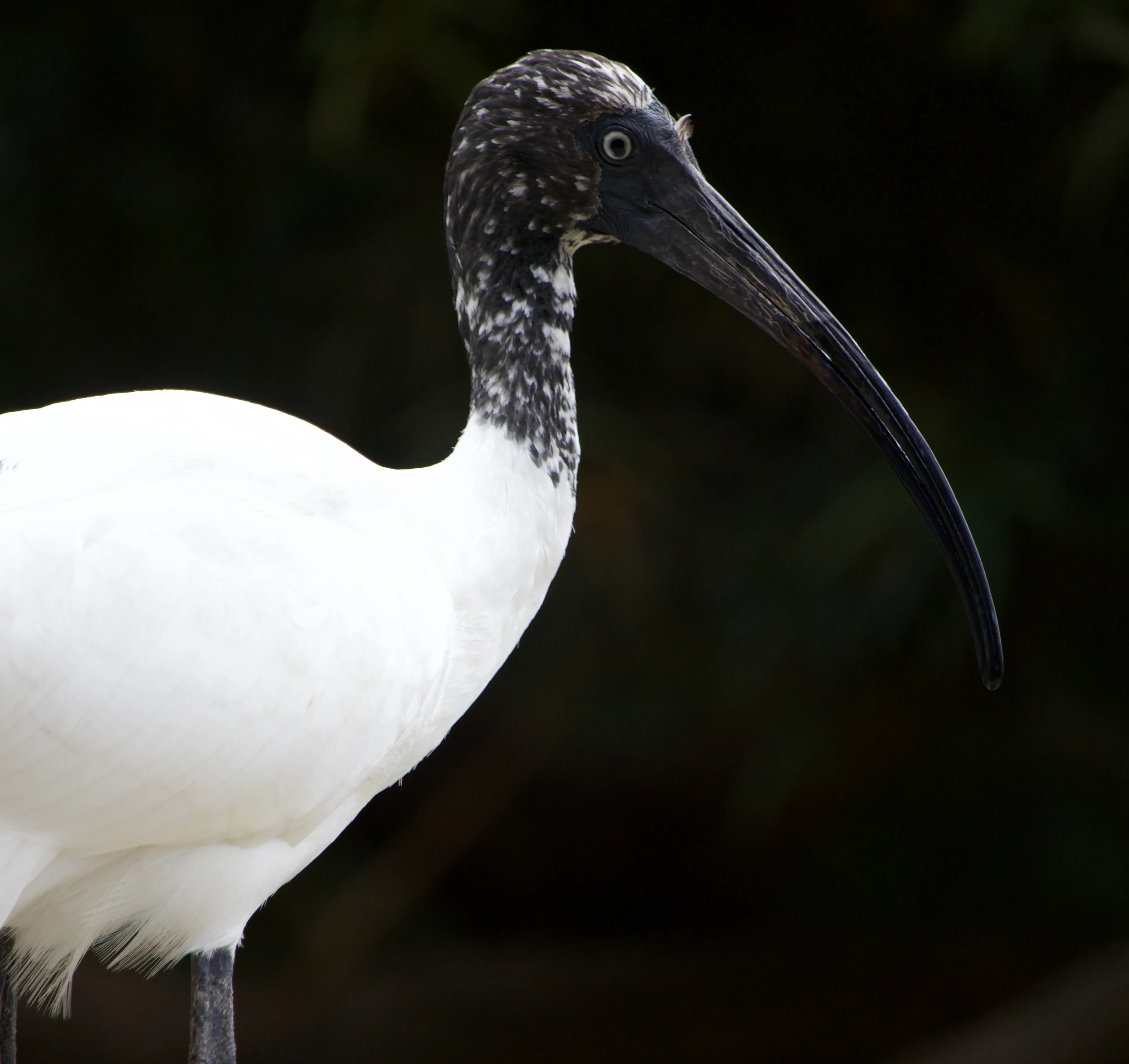
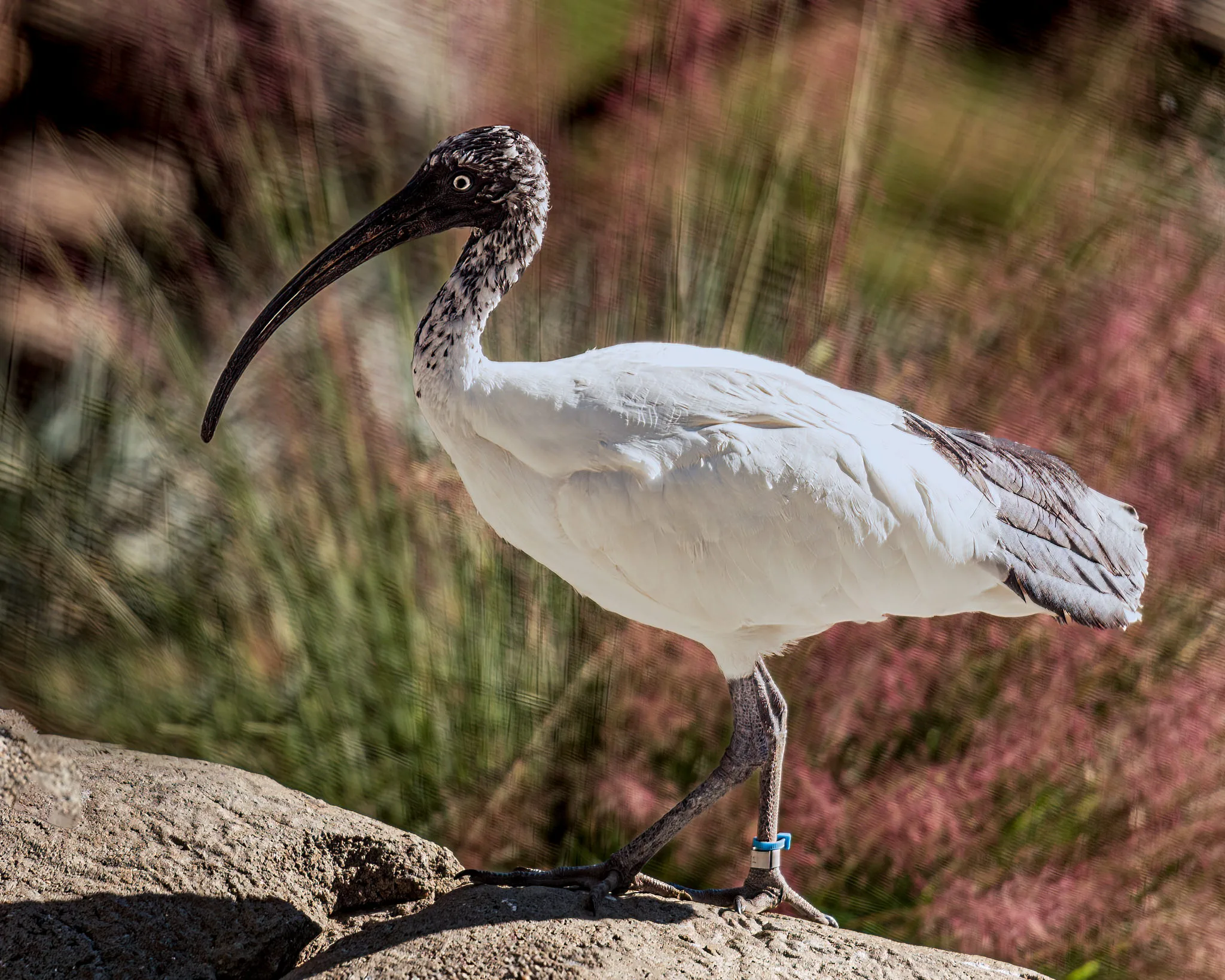
The Madagascar sacred ibis, also known as the Malagasy sacred ibis, is white with fluffy black feathers along across their rump and a black head. The underside of their wings are whitish-yellow. A good view reveals pale eyes in adults, however, immatures can have dark eyes and white on the throat.
This species is distinct from other sacred ibis because of their pale blue eyes, smaller build, shorter, thinner bill, and white wing-tips. The Madagascar sacred ibis has inflatable neck-sacs located lower on the breast than other ibis. They are the only largely white ibis in their range with a black head, neck, and bill. Juveniles have lighter feathers and dark irises that become pale over time.
Habitat & Ecology
This ibis species is endemic to the west coast of Madagascar and Aldabra on the Seychelles. They are non-migratory and stick to coastal areas.
The Madagascar sacred ibis is found on coastal mudflats and sandy shores, in mangroves, and on the banks of brackish rivers, ponds, and lakes. They very rarely use freshwater habitats, but can sometimes be found in rice fields and freshwater lakes within forests.
Diet
Madagascar sacred ibises are carnivorous and rely on a healthy diet of insects, frogs, reptiles, and even young birds. Ibises use their long, thin bill to probe at the water and muddy soil looking for food. Sensitive feelers in their mouth can detect prey without having to see.
This ibis is also a valuable scavenger that eats carrion and human leftovers. Scavengers are important for helping remains decompose back into the soil as nutrients.
Behavior & Reproduction
The Madagascar ibis is sedentary, preferring to nest and roost close to their feeding grounds. They live in pairs, family parties, or groups of up to 15 waterbirds. When flying from roosts to feeding grounds, they will glide in V-formations. Although they are wary birds, they can be very gregarious in roosts. A dominance hierarchy will appear based on age, with adults carrying a higher rank than juveniles.
Breeding season occurs during the wettest part of the year from November to December. Nests are mixed in colonies of other species of water birds, such as herons. They will build nests using small branches in trees, bushes, or on the bare ground. Females mature at 3 years old and breed about once per year. They produce 2-3 speckled white eggs per clutch. Both parents will incubate the eggs for around 28 days. The chicks fledge 35 days after hatching.
Wild: 20 years, Protected Care: 30 years
November-December
2-3
1 year
Conservation
The Madagascar sacred ibis, also known as the Malagasy sacred ibis, is listed as Endangered on the IUCN Red List. The latest assessment, done in 2021, found there to be only 1,700-2,200 mature individuals still in the wild. This species has undergone a moderately rapid decline over the past three generations in response to hunting and habitat destruction, both of which are likely to continue.
The species is not currently listed by the CITES.
Fascinating Facts
- The ancient Egyptian god of writing, wisdom, and magic, Thoth, was usually depicted as having a human body with the head of an ibis, giving the Sacred Ibis their name!
- Several millions of mummified ibises have been discovered in Egyptian tombs. Many were buried with grains, snakes, snails, and other food items, which is likely intended for them to bring into the afterlife.
- The Madagascar Sacred Ibis was previously considered part of the more widespread African Sacred Ibis species until recent examinations of minor physical differences led to a species split.
Our Role
Oakland Zoo participates in the Species Survival Plan for Madagascar Sacred Ibises. Our flock of ibises are part of the breeding effort to stabilize the sacred ibis populations.